


Table of Contents
- Why Sustainable Activewear Demands Scrutiny
- What to Look for in Sustainable Activewear Brands
- Organic Cotton Activewear: Breathability vs Drying Speed
- Recycled Fabric Activewear: What the Numbers Actually Mean
- How to Care for Activewear to Extend Its Life
- Common Mistakes That Waste Money on Sustainable Brands
- Frequently Asked Questions
Last Updated: October 21, 2026
Why Sustainable Activewear Demands Scrutiny
The term "sustainable activewear brands" gets thrown around so often that it's lost most of its meaning. A brand slaps "eco-friendly" on the label, charges a premium, and suddenly it's positioned as the responsible choice. The reality is messier.
The problem isn't that sustainable options don't exist, it's that the claims are hard to verify, the trade-offs aren't always obvious, and durability often gets overlooked in favour of material sourcing. A garment made from recycled polyester that falls apart after six months isn't sustainable; it's just more waste with better PR.
This guide cuts through the noise. We'll show you what to actually look for when evaluating sustainable activewear brands, which materials deliver real performance, and how to extend the life of your gear so it justifies the higher price tag. The brands that last are the ones worth buying.
What to Look for in Sustainable Activewear Brands
Choosing sustainable activewear brands requires understanding three core factors: material certification, performance durability, and transparency. Too many buyers focus only on the first and miss the other two entirely.
The most reliable sustainable activewear brands publish their supply chain information openly. They name their manufacturers, list certifications, and explain their labour practices. Vague language like "ethically sourced" without specifics is a red flag. Genuine brands back their claims with third-party verification, not just internal promises.
Certified Organic Cotton vs Marketing Claims
Certified organic cotton is cotton grown without synthetic pesticides or fertilisers, verified by an independent body. This matters because conventional cotton uses roughly 16% of the world's pesticides despite occupying only 2.5% of global farmland. The certification process is rigorous, farms are audited regularly and must meet strict standards.
The catch: certified organic cotton costs more to produce. A brand claiming organic cotton at suspiciously low prices either isn't being honest about the percentage in the blend or has cut corners elsewhere.
Many sustainable activewear brands use organic cotton blends rather than pure organic cotton. This is practical, 100% organic cotton activewear often lacks the stretch and recovery you need for intense workouts.
The marketing trap: "Made with organic materials" doesn't mean the entire garment is organic. Check the percentage. If a brand doesn't specify, assume it's a small percentage used mainly for marketing.
Recycled Polyester and Real Performance Trade-offs
Recycled polyester is polyester made from post-consumer waste, typically plastic bottles, rather than virgin petroleum. This reduces demand for new oil extraction and diverts waste from landfills. It's a genuine improvement over virgin polyester, but it's not magic.
Here's what most guides don't mention: recycled polyester performs slightly differently than virgin polyester. It can absorb moisture more readily, dry slower in some cases, and sometimes loses elasticity faster with repeated washing. These aren't deal-breakers, but they're real trade-offs. A sustainable activewear brand using recycled polyester should acknowledge this and design around it, using thicker yarns, better moisture-wicking treatments, or specific blends that compensate.
The numbers matter less than the blend. A garment that's 40% recycled polyester with 60% virgin polyester isn't automatically better than one that's 100% virgin polyester if the virgin version lasts twice as long. Durability is part of sustainability. A shirt that survives 200 washes beats one that deteriorates after 50, regardless of the material source.
Durability Testing and Longevity Proof
This is where most sustainable activewear brands fall short. They focus on sourcing sustainable materials but don't invest in durability testing. The result: gear that looks and feels premium but fails prematurely.
Credible sustainable activewear brands test their products for durability. They run accelerated wear tests, measure how fabrics hold up after repeated washing, and track seam integrity. They publish this data or at least reference their testing standards. If a brand makes no mention of durability testing, that's telling.
Look for brands that offer warranties or guarantees on their gear. Brands that don't stand behind their products for at least a year are betting you won't wear them hard enough to notice problems.
Organic Cotton Activewear: Breathability vs Drying Speed
Organic cotton is softer and more breathable than synthetic alternatives. For activities where moisture management matters less, yoga, casual gym sessions, low-intensity work, organic cotton activewear shines. It feels better against the skin and tends to regulate temperature well.
The trade-off is drying speed. Organic cotton absorbs moisture readily, which is good for comfort during the workout. But it dries slower than synthetic blends. For heavy-sweating activities like intense strength training or outdoor running, this matters. You'll feel damp longer, and the garment takes more time to dry between washes.
Sustainable activewear brands that use organic cotton for high-performance gear often blend it with synthetics to address this. A 60% organic cotton, 30% recycled polyester, 10% elastane blend gives you the comfort of cotton with faster drying. The key is checking the blend and understanding what trade-off you're making.
Recycled Fabric Activewear: What the Numbers Actually Mean
A brand claiming "made from recycled materials" could mean anything from 10% to 100% recycled content. The percentage matters enormously. A garment that is 90% virgin polyester and 10% recycled polyester is still mostly new plastic, despite the "recycled" label.
The clearest way to cut through this is to apply a short, repeatable test to each of the brands you are considering. This is the gap most roundups miss: they list brands but do not compare the evidence behind the claims.
A five-brand evidence checklist
For each brand on your shortlist, record the following in one place:
- Recycled content percentage, stated per product, not just per brand.
- Certification, GRS or RCS for recycled content, GOTS for organic fibre, OEKO-TEX Standard 100 for harmful-substance testing.
- Supply-chain disclosure, does the brand name its manufacturers or publish a supplier list?
- Manufacturing location, is the garment made in Australia or merely sold here? "Australian-owned" and "Australian-made" are different claims.
- Price and size range, quoted in AUD, with the size range stated so you can judge inclusive fit.
- End-of-life options, repair, resale, take-back, or textile recycling.
A brand that answers four or more of these with specifics is doing more than most. A brand that answers only one or two is relying on the word "recycled" as a marketing device.
What the numbers mean in practice
Post-consumer recycled content (plastic bottles, old textiles) is generally a stronger claim than post-industrial recycled content (factory scraps), because post-consumer recycling diverts material that would otherwise go to landfill. The recycling process also matters: closed-loop systems, where waste is recycled back into the same product, have a lower environmental impact than open-loop systems. If a brand does not explain its recycling process, assume it is not particularly innovative.
Durability is part of the same calculation. A garment that is 40% recycled polyester with 60% virgin polyester is not automatically better than one that is 100% virgin polyester if the virgin version lasts twice as long. A shirt that survives 200 washes beats one that deteriorates after 50, regardless of the material source. When you compare brands, weigh recycled content against construction quality, seam integrity, and any stated durability testing or warranty.
How to Care for Activewear to Extend Its Life
Durability starts with how you use the gear. Even premium sustainable activewear brands can't overcome poor care practices. Extending your activewear's life is the single most effective way to reduce its environmental impact.
Washing, Drying, and Storage Best Practices
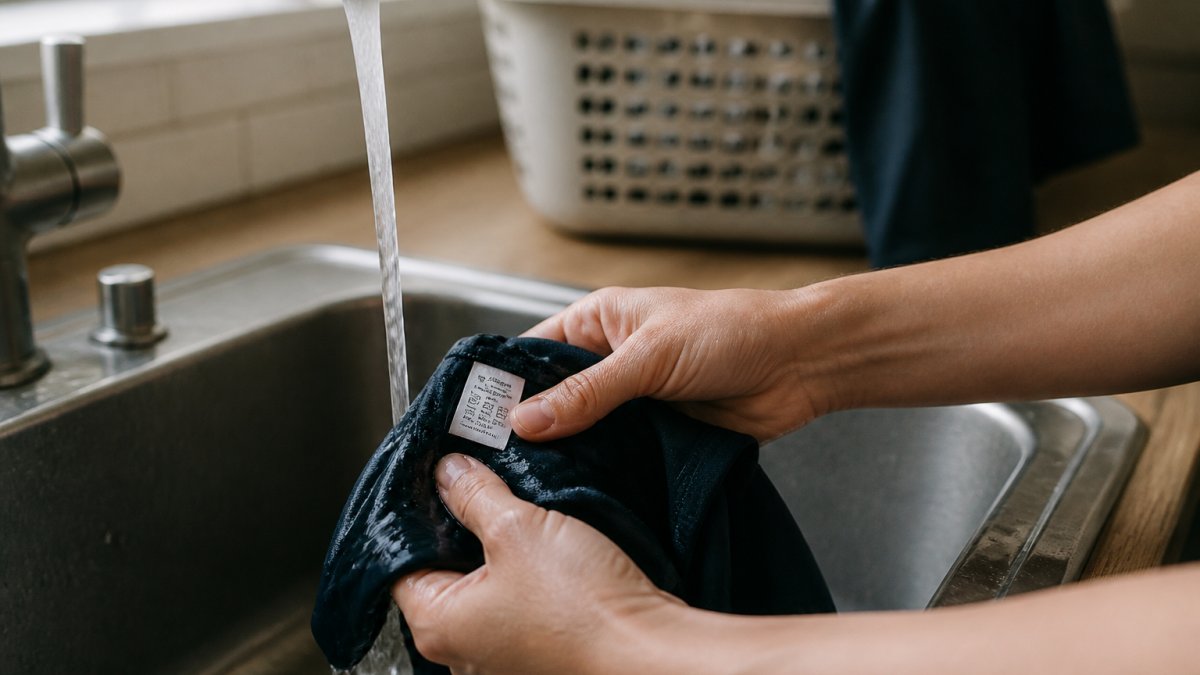
Wash in cool water, hot water breaks down elastic fibres faster and causes colours to fade. Turn garments inside out before washing to reduce pilling and fading. Use a gentle cycle or hand wash for pieces with delicate construction. Avoid fabric softener, which coats the material and reduces breathability and moisture-wicking.
Dry on low heat or air dry. High heat damages elastic and synthetic fibres. Air drying takes longer but extends garment life significantly. If you use a dryer, remove items while slightly damp and lay them flat to finish drying.
Store in a cool, dry place away from direct sunlight. Sunlight degrades colours and can weaken synthetic fibres over time. Fold rather than hang to prevent stretching, especially for items made from organic cotton or cotton blends.
These practices apply equally to sustainable activewear brands and mainstream options. The difference is that premium sustainable activewear brands often use higher-quality construction that rewards good care with longer life.
When to Replace and End-of-Life Options
When seams start failing, elastic loses recovery, or fabric pilling becomes severe, it's time to replace. But "replace" doesn't mean landfill.
Many sustainable activewear brands now accept worn gear for recycling or upcycling. Some break down old clothing to recover fibres for new products. Others partner with textile recyclers to ensure materials are processed responsibly. Before throwing anything away, check whether the brand offers a take-back program.
If the brand doesn't have a program, textile recyclers exist in most areas. A quick search for "textile recycling near me" will usually surface local options. Some charities also accept activewear in good condition for resale.
Common Mistakes That Waste Money on Sustainable Brands
The biggest mistake is buying based on material alone without checking durability. A shirt made from 100% organic cotton that falls apart after 30 washes is worse than a blended piece that lasts 200 washes.
Second mistake: ignoring fit and comfort in pursuit of sustainability. A sustainable activewear piece that doesn't fit well or doesn't perform during your actual workouts will sit unused.
Third: paying premium prices for sustainable activewear brands without verifying their claims. Some brands charge significantly more for minimal sustainability improvements. Check certifications, read supply chain information, and compare actual material composition.
Fourth: buying more than you need. The most sustainable activewear is the piece you already own.
Finally, many buyers neglect care instructions. Washing in hot water, using fabric softener, or machine drying will destroy even the best sustainable activewear. Poor care turns a long-lasting piece into short-lived waste.
Frequently Asked Questions
What should I look for in sustainable activewear brands?
Check for third-party certifications like GOTS (Global Organic Textile Standard) for organic cotton or verified recycled content claims backed by supply chain transparency. Look at durability guarantees, warranty terms, and whether the brand discloses labour practices. Compare material blend ratios, as 100% organic cotton may not dry fast enough for intense workouts, while blends with Lycra or merino offer better performance. Read customer reviews specifically about longevity after 6-12 months of regular use, not just initial feel.
Is organic cotton activewear suitable for heavy sweating during workouts?
Pure organic cotton absorbs moisture well but dries slowly, which can leave you feeling clammy during extended sessions. Many sustainable brands blend organic cotton with performance fibres like Lycra (5-10%) or merino wool to improve moisture-wicking and drying speed. Check the fabric blend before buying; a blend that balances breathability with quick-dry performance is often better than 100% cotton for gym use.
How do I verify that recycled fabric activewear claims are legitimate?
Look for certifications from organisations like the Global Recycled Standard (GRS) or Cradle to Cradle, which audit material sourcing and manufacturing. Brands should specify the percentage of recycled content (not just 'made from recycled materials') and disclose the source, recycled polyester from ocean plastic or post-consumer bottles. Request supply chain documentation if available. Vague language like 'eco-friendly' or 'responsible' without third-party verification is a red flag.
What's the best way to care for activewear to make it last longer?
Wash in cold water (30°C or below) inside out to protect prints and fibres, use mild detergent, and avoid fabric softener which breaks down elastic. Air-dry rather than machine-dry to preserve Lycra and stretch. Store flat or hung to prevent stretching. Wash after every 2-3 wears for high-intensity use, not daily, as frequent washing degrades synthetic fibres faster. Replace when elastic fails or seams separate.
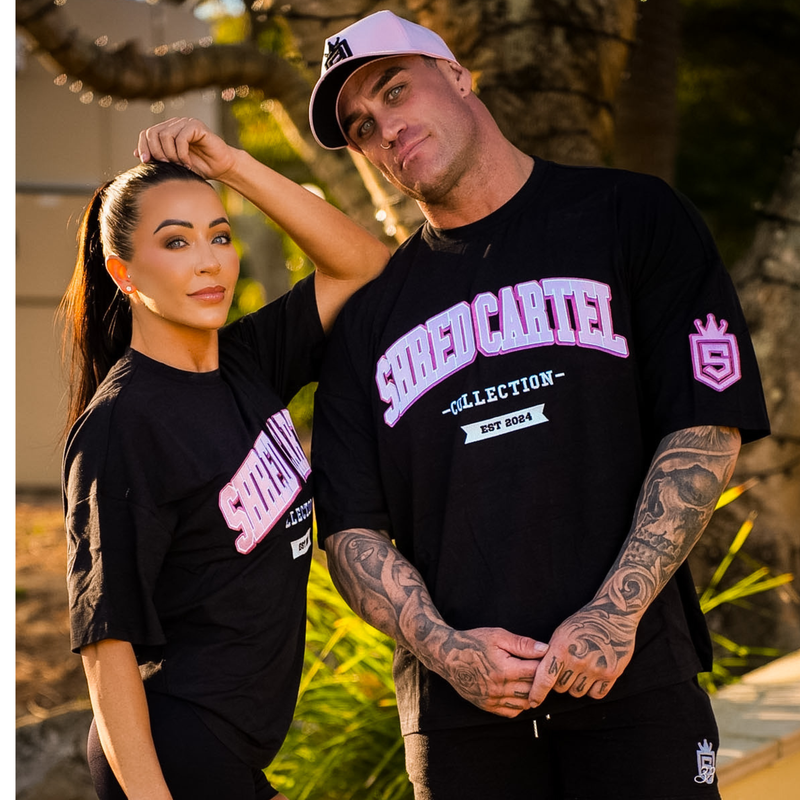
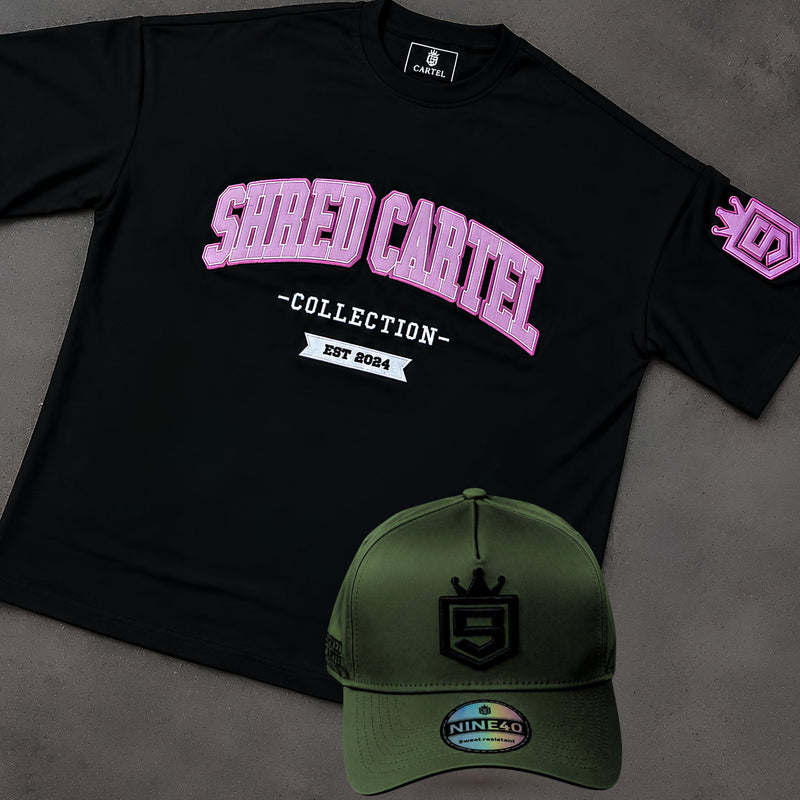
Choosing sustainable activewear brands means looking beyond the label. At Shred Cartel, we design Australian performance activewear built to last, our certified organic fabric blends and rigorous durability testing mean your gear withstands intense workouts while maintaining its shape after repeated washing. Browse our collections to find activewear that performs, lasts, and aligns with your values. Quality that endures is the most sustainable choice.