


Table of Contents
- Why Organic bamboo & Cotton Gym Shorts Beat Synthetic Fabrics
- Benefits of Organic Cotton for Exercise Performance
- What to Look For When You Buy Organic Cotton Gym Shorts
- How to Wash Organic Cotton Gym Clothes for Longevity
- Performance Testing and Real-World Durability Data
- Pricing, Value and End-of-Life: What You're Really Paying For
- Conclusion
- Frequently Asked Questions
Last Updated: September 28, 2026
Why Organic bamboo & Cotton Gym Shorts Beat Synthetic Fabrics
If you want to buy organic cotton gym shorts, the fabric's breathability, skin-friendliness and odour resistance are the main reasons to choose them over synthetics. Natural fibres move air and moisture differently to polyester, which matters once your heart rate climbs.
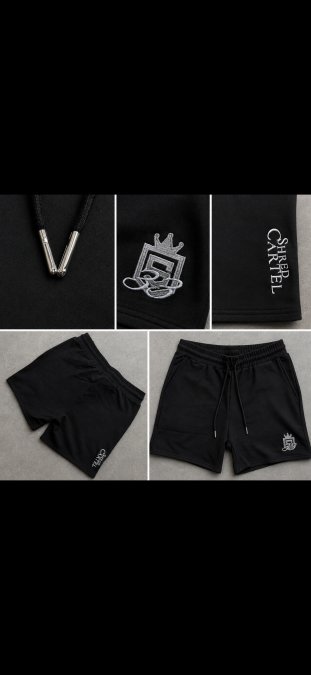
Here's the core argument: synthetics are engineered for speed of drying, but that engineering comes at a cost your skin pays for. Organic cotton and bamboo blends trade a little drying speed for comfort, temperature control and far less irritation. This guide from Shred Cartel covers what actually separates a good pair from a cheap one, and what you should pay for it.

Breathability and Thermal Regulation During Intense Training
Breathable athletic shorts let heat escape instead of trapping it against your legs. Synthetic fabrics wick sweat away fast, but they also hold warmth and can feel clammy once saturated. Natural fibre shorts allow air to circulate through the weave, so thermal regulation happens passively rather than through chemical treatment. During a heavy set of squats, that difference shows up as less overheating between sets.
Skin Sensitivity and Hypoallergenic Benefits for Sensitive Skin
Hypoallergenic activewear matters more than most people admit. Synthetic fabrics are often treated with finishes that can irritate sensitive skin, particularly around the inner thigh where friction is constant. Organic cotton skips many of those chemical treatments, and bamboo blends are naturally smooth against the skin. If you've ever finished a session with red, itchy thighs, the fabric is usually the culprit, not the workout.
Benefits of Organic Cotton for Exercise Performance
The benefits of organic cotton for exercise come down to moisture handling, odour control and how the fabric ages. Cotton absorbs sweat into the fibre rather than repelling it, which keeps the surface against your skin feeling drier for longer during moderate-intensity work.
Natural fibre gear also resists odour build-up better than synthetics. Polyester traps bacteria in its fibres, which is why gym shirts develop a permanent smell that no amount of washing removes. Cotton and bamboo release odour-causing bacteria more readily in the wash.
- Moisture-wicking: natural fibres absorb and release sweat gradually
- Odourless performance: less bacterial retention than polyester
- Thermal regulation: breathable weave keeps legs cooler
- Stretch and recovery: Lycra blends hold shape after repeated washing
- Durable construction: quality stitching survives heavy training cycles
What to Look For When You Buy Organic Cotton Gym Shorts
When you buy organic cotton gym shorts, check three things: the fabric blend, the certification, and the fit. A quality pair will list its composition clearly, carry a recognised textile certification, and sit properly without riding up during movement.
Fabric blend matters most. Pure cotton has limited stretch, so most performance shorts combine it with bamboo or a small amount of Lycra.
Fabric Blends: Bamboo, Merino and Cotton Compared
Fabric |
Breathability |
Moisture Handling |
Best For |
|---|---|---|---|
Organic cotton |
High |
Absorbs, dries slower |
Everyday training, sensitive skin |
Bamboo blend |
Very high |
Soft, quick-feeling |
Gym sessions, all-day wear |
Merino wool |
High |
Wicks and resists odour |
Cooler climates, long sessions |
Polyester |
Medium |
Repels, dries fast |
High-sweat, short bursts |
Bamboo blends are the sweet spot for most gym work. They feel softer than cotton and manage sweat without the plasticky feel of synthetics. Merino wool lining works well in cooler conditions but costs more and needs careful washing.
Certifications and Ethical Production: GOTS and Fair Trade
GOTS certified fabric is the benchmark for organic textiles. The Global Organic Textile Standard traces fibre from farm to finished garment and sets limits on chemical processing. Fair trade certification covers the labour side, ensuring workers are paid and treated properly. Ask for both, and check that the certification number is verifiable rather than a logo slapped on a tag.
How to Wash Organic Cotton Gym Clothes for Longevity
To wash organic cotton gym clothes without wrecking them, use cold water, a gentle cycle and half the detergent you think you need. Heat and harsh detergent break down natural fibres faster than anything else.
- Wash cold, never above 30°C
- Turn garments inside out to protect the surface
- Skip fabric softener, it coats the fibres and reduces breathability
- Air dry where possible; tumble dry low if you must
- Wash with similar colours to avoid dye transfer
Performance Testing and Real-World Durability Data
Most organic cotton gym shorts listings tell you the fabric composition and nothing else. That is a gap worth exploiting, because durability is the one claim you can actually verify at home. Below is a practical testing framework you can run on any pair before you commit to a repeat purchase.
The four tests that matter
1. The wash-cycle test. Natural fibre activewear typically shows its true quality after 20 to 30 domestic washes. Wash a new pair cold at 30°C, inside out, with half the usual detergent, and air dry. Track three things: whether the waistband elastic recovers its shape, whether the colour holds, and whether the surface develops pilling. A pair that survives 30 cycles without pilling at the inner thigh is built properly.
Shred Cartel Base Shorts – Black →
What the numbers look like in practice
A common pattern among quality natural-fibre shorts is a fabric weight between 180 and 240 gsm. Below 180 gsm the fabric feels thin and tends to lose shape; above 240 gsm it feels substantial but dries slowly. The sweet spot for gym use is roughly 200 to 220 gsm with a 5% elastane content.
Why this matters more for natural fibres
Synthetics fail differently. Polyester does not pill the way cotton does, but it does develop permanent odour and loses its elastane recovery faster under heat. Natural fibre shorts fail visibly, pilling, fading, seam separation, which is actually an advantage: you can see the end coming and replace on your terms rather than discovering a blown seam mid-session.
Pricing, Value and End-of-Life: What You're Really Paying For
Value in activewear is not the sticker price, it is the cost per wear. A $59.99 pair that lasts three years of training costs far less per session than a cheap pair replaced twice a year. Run the maths on your own training frequency: three sessions a week for three years is roughly 470 wears, which works out to about 13 cents per session.
The end-of-life question most brands avoid
Here is the angle almost no competitor covers: what happens to your shorts when they finally wear out. Natural fibre garments biodegrade far more readily than synthetics, which shed microplastics for centuries. But "biodegradable" is not the same as "compostable in your backyard", and the distinction matters.
Circular fashion in practice
Circular fashion means buying less and choosing pieces that either last or break down cleanly. For gym shorts, that translates to three habits: buy one quality pair rather than three cheap ones, repair before replacing, and route the garment to textile recycling or composting when it is genuinely finished. None of these require a certification logo, they require a decision at the point of purchase and again at the point of disposal.
Find textile recycling and clothing take-back options near you
What you are really paying for
When you pay $59.99 for a pair of organic cotton gym shorts, you are buying three things: the fibre (certified organic, traceable), the construction (gusset, flatlock stitching, 5% elastane for recovery), and the lifespan (measured in years, not months). The first two you can verify on the product page. The third you verify by wearing them. That is why the cost-per-wear calculation, not the price tag, is the honest measure of value.
Conclusion
Choosing the right pair comes down to fabric, certification and construction, not marketing. If you want gear that breathes, resists odour and holds its shape through years of training, natural fibre is the smarter buy.
Frequently Asked Questions
Is organic cotton good for the gym?
Yes, organic cotton is excellent for gym use, especially when blended with bamboo or Lycra for stretch. It offers breathability, thermal regulation and hypoallergenic properties that synthetics often lack. Unlike polyester, organic cotton doesn't trap odour and is kinder to sensitive skin. For intense sweat sessions, look for blends like 67% bamboo, 28% cotton and 5% Lycra, which wick moisture while staying soft and squat-proof.
Do organic cotton gym shorts provide enough moisture-wicking for intense training?
Natural fibres like organic cotton and bamboo absorb sweat, but they don't wick as fast as synthetics. However, blends engineered for activewear, such as bamboo-cotton-Lycra, manage moisture well for most gym sessions. If you sweat heavily, choose shorts with a tighter knit for extra moisture management. Always check the fabric composition: higher bamboo content improves drying time without losing breathability.
How do I care for organic cotton activewear to ensure longevity?
Wash organic cotton gym clothes in cold water on a gentle cycle with similar colours. Avoid fabric softeners and bleach, which break down natural fibres. Turn garments inside out to protect prints and logos. Air dry in shade rather than using a dryer, as heat can shrink cotton and degrade Lycra. Following these steps helps your shorts keep their shape and softness for years, reducing your need to buy replacements often.
Are there Australian brands specialising in organic cotton gym wear?
Yes, several Australian brands focus on organic and sustainable activewear. Shred Cartel, for example, offers Australian-designed performance shorts made from a premium bamboo blend (67% bamboo, 28% cotton, 5% Lycra) that is soft, breathable and squat-proof. Their Base Shorts are priced at $59.99 and are built for durability. When shopping, look for GOTS certification and fair trade claims to ensure ethical production.