


Table of Contents
- Why Athletes Switch From LVCO to Performance Gear Alternatives
- What to Look for in Performance Gym Wear Brands
- Sweat-Resistant Training Gear That Lasts
- Training Caps With a Comfortable Fit
- Durable Gym Apparel for Serious Athletes
- Pricing and Value Comparison
- Making the Switch: Which Alternative Suits Your Training
- Frequently Asked Questions
Last Updated: October 11, 2026
Why Athletes Switch From LVCO to Performance Gear Alternatives
When you're serious about training, your gear either keeps up or holds you back. Many athletes discover this the hard way: they invest in a brand, wear it through months of heavy sessions, and watch it fade, lose shape, or fail to manage sweat when it matters most. That's where LVCO alternative for performance gear options come in.
At Shred Cartel, we've tracked what serious athletes prioritise when they switch brands. It's rarely a single feature. It's a combination: fabric that breathes without absorbing sweat like a sponge, fits that don't shift during heavy lifts, and construction that survives repeated washing without degrading.
This guide breaks down what separates a solid LVCO alternative for performance gear from options that disappoint. We'll cover the technical specs that matter, the categories where real differences emerge, and the specific pieces that deliver when it counts.
What to Look for in Performance Gym Wear Brands
Not all performance gear is created equal. The difference between a brand that lasts two years and one that lasts five often comes down to three core areas: the fabric itself, how it manages moisture, and whether the fit actually works during intense movement.
Fabric Quality and Durability
Premium fabric separates brands that feel good for a month from those that feel good for years. Look for blends that combine natural and synthetic fibres intentionally, not just whatever was cheapest to source.
A solid performance blend includes organic cotton or bamboo for breathability paired with Lycra or elastane for stretch and recovery. The organic component matters: it resists pilling and maintains softness even after dozens of washes. Bamboo-based blends specifically excel at temperature regulation, which matters during long training sessions when your body heat builds steadily.
Weight matters too. Fabric measured in GSM (grams per square metre) tells you density. Lighter fabrics (150-180 GSM) work for singlets and t-shirts. Heavier construction (250+ GSM) suits shorts and base layers that take more abuse. At Shred Cartel, our oversized t-shirts use 280 GSM fabric specifically because that weight survives repeated washing without thinning out or losing its structured feel.

Sweat Management and Breathability
This is where many brands fail athletes. Sweat-absorbent fabrics feel wet and stay wet. They trap moisture against your skin, which creates discomfort and accelerates fabric breakdown. The better approach: non-absorbent or moisture-wicking construction that moves sweat away rather than holding it.
Bamboo blends naturally handle this better than pure cotton. They dry faster and don't develop the smell that comes with absorbed sweat sitting in fabric fibres. Some brands add antimicrobial treatments, but quality fabric engineering usually outperforms chemical coatings that wash out over time.
Breathability means airflow through the weave itself. Looser weaves breathe better but sacrifice durability. Tighter weaves last longer but trap heat. The sweet spot for gym wear is a balanced weave that lets air move while maintaining structural integrity through heavy use.
Fit and Comfort for Extended Wear
A piece that fits perfectly for 30 minutes but rides up or pinches during a heavy session is useless. Extended-wear fit means the piece stays where it's supposed to be, even during dynamic movement.
For shorts, this means a snug thigh fit that doesn't ride up during squats or deadlifts. A cut that sits high on the thigh works better for lifting than longer cuts that bunch. Squat-proof construction, where the fabric doesn't see-through even when stretched, matters more than most people admit.
For singlets and t-shirts, the fit should be close enough to show your physique without restricting movement. Drop-shoulder cuts work better than tight sleeves for overhead pressing. The torso length should hit at your hip, not your waist, so it doesn't ride up when you move.
Sweat-Resistant Training Gear That Lasts
Sweat-resistant fabric is the foundation of gear that lasts. When moisture doesn't soak into the fibres, the fabric resists the breakdown that comes from repeated wet-dry cycles. This is why many athletes find that non-absorbent materials outlast traditional cotton by years.
Fabric blends with high bamboo content (60%+) paired with cotton and Lycra create this resistance naturally. The bamboo doesn't absorb like cotton does, so sweat moves through and away rather than settling in. This also prevents the bacterial growth that creates odour in gym gear. A singlet or t-shirt that doesn't develop smell after weeks of use is a sign the fabric engineering is solid.
Look for brands that explicitly mention non-absorbent or moisture-wicking properties. This isn't a nice-to-have, it's the difference between gear that feels fresh after five washes and gear that smells after two.
Training Caps With a Comfortable Fit
A training cap that fits properly makes a real difference during outdoor sessions or high-intensity work where sweat runs into your eyes. The problem most athletes face: standard caps either slip during movement or sit too tight.
The best training caps use A-frame construction, which sits deeper on the head without pinching. This design keeps the cap stable during running, functional fitness, or any workout with head movement. The crown depth matters; deeper crowns accommodate larger head sizes without creating uncomfortable pressure points.
Adjustable straps on the back let you dial in fit without needing multiple sizes. A quality adjuster holds position through sweat and movement, rather than slipping loose mid-session.
Fabric choice for caps is different from apparel. Non-absorbent materials are critical here because moisture running down your face into the band will sit there if the fabric absorbs. Sweat-resistant caps dry quickly and don't develop the mildew smell that plagues standard cotton caps.
Durable Gym Apparel for Serious Athletes
Durability is where the gap between premium brands and mid-tier options becomes obvious. Serious athletes put gear through real punishment: heavy sweat, repeated washing, intense movement, and extended wear cycles. Gear that survives this demands better construction than casual activewear.
Shred Cartel Base Shorts – Black →
Shorts Built for Heavy Lifting
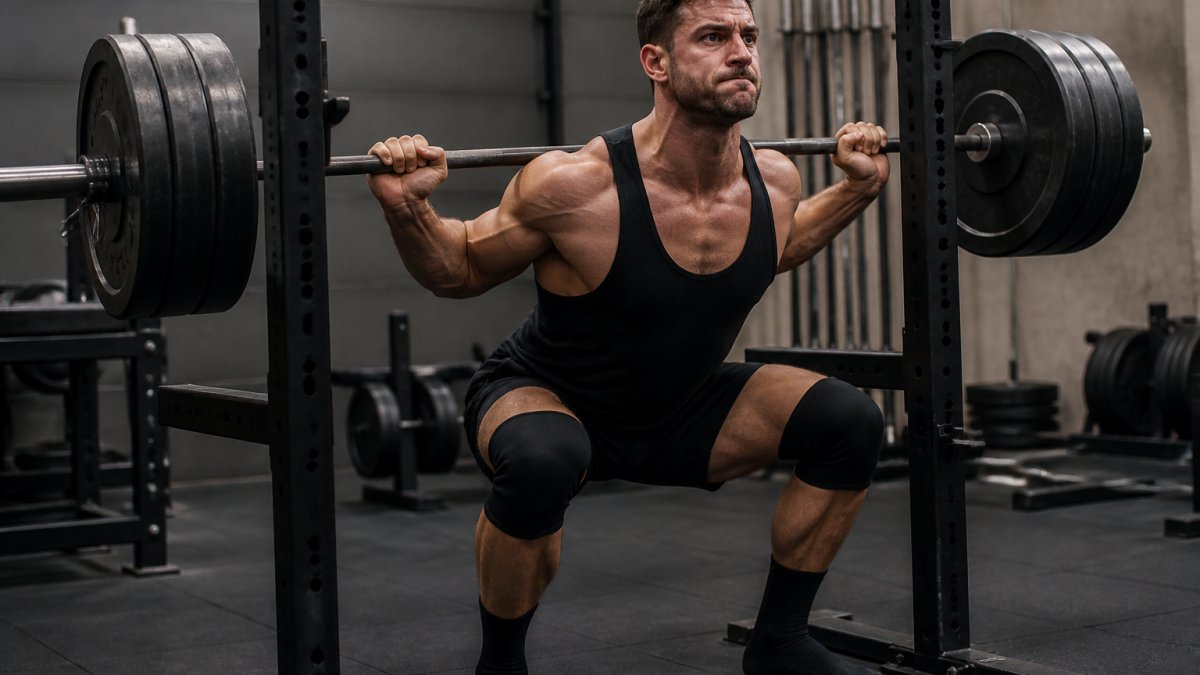
Lifting shorts need to handle specific stresses. Squatting creates downward force on the thighs. Deadlifting creates lateral stretch. Heavy pressing creates upward movement that tests whether the short stays in place.
A cut that sits high on the thigh is the standard for a reason. It gives you full range of motion without excess fabric bunching at the knee. The fabric needs to be thick enough (200+ GSM) that it doesn't thin out in the thigh area where stress concentrates. Information on fabric weight and its impact on durability
Squat-proof construction isn't just about avoiding transparency, it's about fabric that maintains integrity under extreme stretch. This means a tighter weave that resists pilling and maintains colour after repeated washing. At Shred Cartel, our Base Shorts use a bamboo blend specifically engineered for this: 67% bamboo, 28% cotton, 5% Lycra.

Stitching matters as much as fabric. Double-stitched seams, especially on the inseam where stress concentrates, last significantly longer than single-stitched alternatives. Look for reinforced construction in high-stress areas.
Singlets and T-Shirts for Performance
Singlets let you move freely without sleeve restriction, which is why they're standard for upper-body work. A quality singlet should be lightweight enough that you forget you're wearing it, yet structured enough that it holds shape through dozens of washes.
Embroidered branding is more durable than screen-printed logos. Screen printing cracks and peels after 20-30 washes. Embroidery stays intact indefinitely. This is a small detail that signals whether a brand is built for longevity or designed to fade.
T-shirts for gym use benefit from oversized fits that work both for training and casual wear. An oversized cut with drop shoulders gives you movement freedom while maintaining a sharp aesthetic. The key is finding the right weight: heavy enough (250+ GSM) to feel premium and last years, but not so heavy that it feels stiff or takes forever to dry.
| Feature | Impact on Durability | What to Look For |
|---|---|---|
| Fabric Weight (GSM) | Higher weight resists thinning | 250+ GSM for t-shirts, 200+ for shorts |
| Bamboo Content | Better moisture management, less odour | 60%+ bamboo in blend |
| Stitching | Prevents seam failure under stress | Double-stitched seams, reinforced high-stress areas |
| Embroidery vs Print | Embroidery lasts indefinitely | Embroidered logos over screen-printed |
| Weave Tightness | Resists pilling and fading | Balanced weave that breathes without sacrificing durability |
Pricing and Value Comparison
Performance gear pricing reflects construction quality, fabric sourcing, and design. Budget options (under $50) typically use lower-grade blends and thinner fabric. Mid-range pieces ($50-100) hit the sweet spot for most athletes: solid construction, quality fabric, and durability that justifies the investment.
Premium options ($100+) add design refinement, premium fabric blends, or exclusive features. For most athletes, mid-range pricing delivers the best value; you're not paying for brand name alone, and you're not compromising on durability.
Shred Cartel's pricing reflects this balance. The Base Shorts at $59.99 use the same bamboo blend as pieces costing twice as much elsewhere, with the same squat-proof construction and durability. The Iconic Singlet at $69.99 combines lightweight breathability with embroidered branding that won't peel.

The value calculation isn't just price per item. It's price divided by lifespan. A $60 short that lasts three years costs $20 per year. A $40 short that lasts one year costs $40 per year. When you factor in the comfort and performance during that lifespan, the mid-range option usually wins.
Making the Switch: Which Alternative Suits Your Training
Switching brands isn't about finding the perfect option; it's about finding what works for your specific training style and priorities.
If you prioritise durability above all else, look for brands using bamboo-heavy blends (60%+) with reinforced stitching and embroidered branding. These pieces outlast alternatives by years. If you're doing heavy lifting, fit stability matters more than fashion.
For most serious athletes, the ideal LVCO alternative for performance gear combines three things: fabric engineered for sweat management, construction built for durability, and fit designed for dynamic movement. That's exactly what Shred Cartel delivers.
Start with one piece. Try the Base Shorts if you want to test how the fabric feels during heavy lifting. Try the Iconic Singlet if you want lightweight breathability paired with clean aesthetics.
When you're serious about training, your gear should match that intensity. The shift from a brand that disappoints to one that delivers isn't complicated; it's about finding apparel engineered for real athletes doing real work. Shred Cartel's collection of Australian-designed performance activewear is built exactly for this.
Frequently Asked Questions
What brands offer similar performance gear to LVCO?
Several Australian-designed performance gear alternatives focus on durability and sweat resistance. Look for brands that use organic fabric blends like bamboo and cotton, feature breathable construction, and offer tested durability for intense gym sessions. Shred Cartel, for example, uses a 67% bamboo, 28% cotton, 5% Lycra blend across its range, from shorts at $59.99 to oversized tees at $100, with verified customer reviews confirming long-term durability. The key is checking fabric composition, sweat-resistance features, and customer feedback on lasting quality.
What should I look for in sweat-resistant training gear?
Effective sweat-resistant training gear needs breathable fabric that moves moisture away from skin and dries quickly. Organic blends with bamboo perform better than standard cotton because they have natural moisture-wicking properties. Look for fabrics with stretch (Lycra or Elastane) to maintain fit through heavy sessions, and check for non-absorbent materials that prevent staining and odour. Brands that specify fabric weight (like 280 GSM for durability) and include customer reviews mentioning sweat performance are more reliable than generic claims.
How do I know if gym apparel will actually last through heavy use?
Durable gym apparel shows signs of quality in construction details: reinforced stitching, premium fabric weight (280 GSM or higher), and material composition that resists shrinking after washing. Organic fabric blends with Lycra hold their shape better than pure cotton. Check customer reviews specifically mentioning durability over months of use, and look for brands offering transparent fabric specs. Shred Cartel's oversized tees, for instance, are marketed as shrink-resistant even after machine washing and dryer use, backed by 4.99-star ratings across 144 verified reviews.
What's the difference between performance activewear and everyday gym wear?
Performance activewear is engineered for high-intensity use: it prioritises sweat management, breathability, and durability under physical stress. Everyday gym wear focuses on comfort and appearance but may not handle moisture or repeated heavy training as effectively. Performance gear typically uses advanced fabric blends (bamboo-cotton-Lycra combinations), structured fits that don't ride up or shift during movement, and materials tested for shrinkage and longevity. Everyday wear often uses standard cotton and focuses on style over technical performance.