


Table of Contents
- What Separates Performance Apparel That Lasts Years From Fast Activewear
- The 7 Best Fabric Blends for Heavy Lifting
- 7 Performance Apparel Pieces Built for Years, Not Seasons
- How to Prevent Fabric Pilling on Gym Shirts
- How to Wash Workout Clothes to Make Them Last
- Cost Per Wear: The Maths That Beats a Cheap Price Tag
- Frequently Asked Questions
Last Updated: October 2, 2026
What Separates Performance Apparel That Lasts Years From Fast Activewear
Performance apparel that lasts years is engineered around fibre integrity, seam construction and shape retention, not seasonal colour drops. The difference shows up after roughly 40 washes, when cheap activewear pills, sags and loses its stretch while a properly built garment still fits as it did on day one.
The 7 Best Fabric Blends for Heavy Lifting
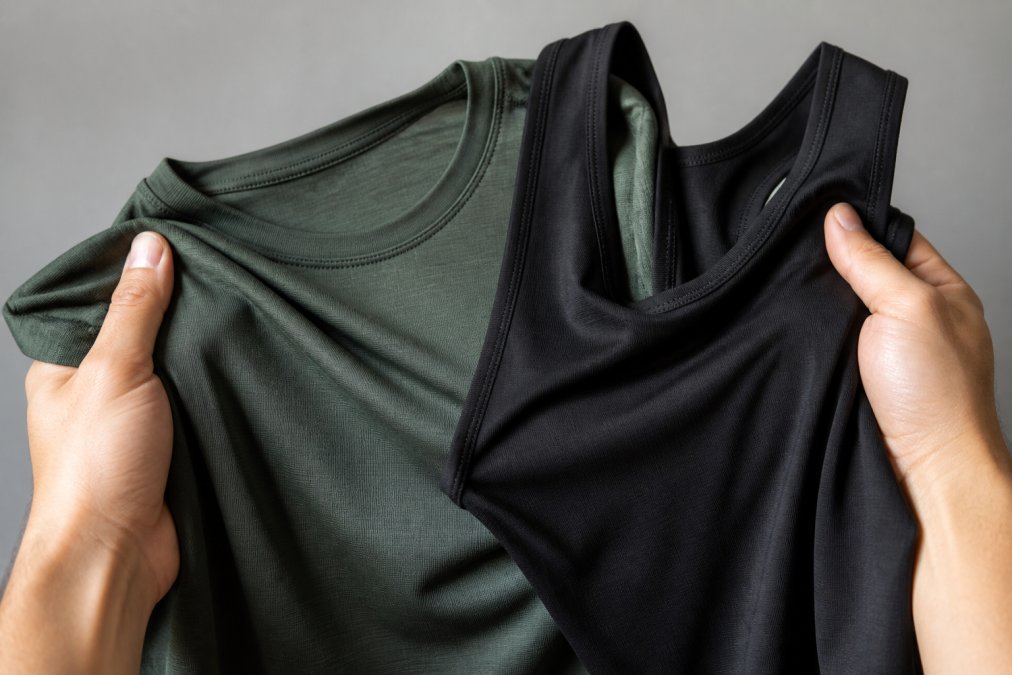
The best fabric blends for heavy lifting balance four-way stretch, moisture-wicking performance and abrasion resistance. Natural fibres like bamboo and merino wool handle sweat and odour; synthetics like polyester and nylon add durability and recovery. The strongest garments combine both, and the ratio matters more than the ingredient list.
| Blend | Typical Ratio | Key Strength | Main Trade-Off | Best For |
|---|---|---|---|---|
| Bamboo-cotton-elastane | 67 / 28 / 5 | Softness, breathability, odour control | Slower drying than pure synthetics | Gym-to-street wear |
| Merino wool-nylon | 87 / 13 | Thermal regulation, anti-microbial | Higher price, delicate wash | Recovery and travel |
| Polyester-spandex | 88 / 12 | Fast drying, four-way stretch | Retains odour over time | High-intensity training |
| Nylon-elastane | 78 / 22 | Abrasion resistance, shape retention | Can feel slick | Heavy lifting, floor work |
| Cotton-polyester-elastane | 60 / 35 / 5 | Structure, mid-weight hand-feel | Heavier when wet | Lifestyle and streetwear |
| Tencel-lyocell-spandex | 92 / 8 | Moisture management, low pilling | Pricier, slower to dry | Sensitive skin, daily wear |
| Recycled polyester-elastane | 85 / 15 | Lower virgin-plastic footprint | Microfibre shedding in wash | Eco-conscious training |
Bamboo-Cotton-Elastane: The Blend Behind Shred Cartel's Range
Bamboo-cotton-elastane is the blend Shred Cartel builds its core range on: 67% bamboo, 28% cotton and 5% Lycra or elastane. Bamboo adds breathability and odour resistance, cotton adds structure and weight, and elastane delivers stretch that keeps its shape instead of stretching out permanently.
Merino Wool, Nylon and Polyester: Where They Fit
Merino wool stands out for thermal regulation and anti-microbial performance. The catch is care: it needs a cold, gentle wash and flat drying, and it pills under friction from barbells and cable machines.
GSM, Denier and Micron: The Numbers That Predict Longevity
Three specifications do more to predict how long a garment lasts than any marketing claim:
- GSM (grams per square metre) measures fabric weight. Lightweight training tees sit around 140-160 GSM and thin out quickly; mid-weight lifestyle tees sit around 180-220 GSM; heavyweight oversized tees sit around 260-300 GSM and resist pilling and transparency far better. Shred Cartel's oversized tees sit at 280 GSM, which is the detail that matters most for longevity.
- Denier measures the thickness of synthetic yarn. Higher denier means a tougher yarn that resists abrasion from barbells, cable machines and gym flooring.
- Micron measures merino fibre diameter.
Synthetics win on drying speed, abrasion resistance and colour retention; naturals win on breathability, odour control and skin comfort. Neither wins outright, and the strongest long-life garments combine both, a natural base for comfort with a synthetic yarn for structure and recovery.

7 Performance Apparel Pieces Built for Years, Not Seasons
The seven pieces below cover training, lifestyle and streetwear from one range, each built around durable construction and fabric that holds its shape, the combination that delivers garment longevity.
Shred Cartel Base Shorts - Black
$59.99 | Shop the Base Shorts

The Base Shorts are engineered for comfort, performance, and style: an athletic cut in a 67% bamboo, 28% cotton, 5% Lycra blend, with durable stitching and a squat-proof fit that does not ride up.
Iconic Singlet and Oversized Tees
$69.99 and $100.00 | Iconic Singlet | Oversized Tees

The Iconic Singlet uses the same organic bamboo blend in a stretch fit with embroidered branding front and back. The unisex oversized tees step up to 280 GSM fabric: heavier cotton-blend jersey resists the thinning and pilling that kills lighter shirts.
Crop Tops and Elite Snapback Caps
$64.99 and $50.00 | Crop Tops | Elite Snapback
The oversized crop tops carry the same bamboo blend in a relaxed cut. The Elite Snapback Caps are the outlier: 100% polyester, structured five-panel build, pre-curved visor and sweat-resistant finish, so they avoid the stains and smell that ruin cotton caps.
How to Prevent Fabric Pilling on Gym Shirts
Fabric pilling comes from friction, not cheap fabric alone: short fibres work loose from the yarn, tangle into small balls and stay trapped against the surface. The fix is to reduce friction and remove loose fibres before they ball up.
- Turn garments inside out before washing to protect the outer face
- Wash on a cold, gentle cycle with similar fabrics, never with towels or denim
- Use a mesh laundry bag for bamboo and merino blends
- Skip fabric softener, which coats fibres and traps lint
- Air dry where possible; if you use a dryer, choose low heat
- Use a fabric shaver or fine comb every few months to lift pills early
How to Wash Workout Clothes to Make Them Last
Washing is where most activewear dies. Heat, agitation and harsh detergent break down elastane, the component that gives stretch and shape retention. Once elastane degrades, the garment sags permanently.
Shred Cartel Base Shorts – Black →
The routine that works:
- Wash after every one or two wears, cold, at 30°C or below
- Use a small amount of mild liquid detergent, no bleach or softener
- Keep synthetic fibres separate from cotton towels to limit lint transfer
- Dry in shade, flat or on a line, away from direct sun
- Store folded rather than hung, so shoulder seams keep their shape
Cost Per Wear: The Maths That Beats a Cheap Price Tag
Cost per wear is the purchase price divided by the number of times you actually wear the item. It is the only number that matters when comparing a $30 shirt against a $100 one, and the framework most activewear marketing avoids because it exposes how quickly cheap gear stops being cheap.
The Formula
Cost per wear = purchase price ÷ total wears before the garment fails
Worked Examples at Australian Retail Prices
| Garment | Price | Lifespan | Total Wears | Cost Per Wear |
|---|---|---|---|---|
| Mass-market training tee | $30 | 6 months | ~50 | $0.60 |
| Mid-range training tee | $60 | 18 months | ~120 | $0.50 |
| Heavyweight bamboo-blend tee | $100 | 3 years | ~300 | $0.33 |
| Base Shorts (bamboo-cotton-elastane) | $59.99 | 3 years | ~300 | $0.20 |
| Iconic Singlet | $69.99 | 3 years | ~300 | $0.23 |
| Elite Snapback Cap | $50.00 | 2 years | ~400 | $0.13 |
The pattern is consistent: the higher upfront price wins on cost per wear once the garment survives past roughly 18 months, but only if it is actually maintained.
Why the Maths Breaks Down
Three things destroy the cost-per-wear advantage of premium gear:
- Hot washing and tumble drying. Elastane degrades above roughly 40°C and under mechanical heat. A premium blend washed badly can fail in under a year, wiping out the advantage.
- Fabric softener and bleach. Both coat or break down fibres, accelerating pilling and colour loss.
- Washing after every single wear. Over-washing is the most common cause of premature failure.
This is where material choice and garment care stop being separate topics: a premium blend washed badly loses to a cheap shirt washed well.
The Repair and Maintenance Angle Most Guides Skip
Extending lifespan is cheaper than replacing. A few habits add years to a garment:
- Fabric shaver or fine comb every few months lifts pills before they mat into the surface.
- Mesh laundry bag for bamboo and merino blends limits friction against zips and hooks.
- Air drying in shade preserves elastane and colour; direct sun breaks down spandex over time.
- Folded storage rather than hanging preserves shoulder seams and necklines.
- Local repair services, many Australian tailors and alteration shops will re-stitch seams, replace zips and repair hems for a fraction of a replacement cost. A $20 repair on a $100 garment is a 5x cost-per-wear improvement.
The Environmental Side of Fast Activewear
Cost per wear also exposes the environmental cost of fast activewear. Every replacement carries the water, energy and textile waste of its production, and synthetic fibres shed microplastics with each wash.
Judge activewear by cost per wear, not sticker price. A garment that lasts three years at a higher upfront cost usually beats a cheap replacement bought twice a year, provided you wash it cold, dry it in shade, and repair it before you replace it.
Frequently Asked Questions
What are the most durable fabrics for high-intensity training?
Look for blends rather than single fibres. A mix like 67% bamboo, 28% cotton and 5% Lycra or elastane gives you breathability, stretch and shape retention at once, which is what survives repeated washing and heavy sweating. Pure cotton pills and holds moisture; cheap polyester holds odour. Blends with a higher fibre density and reinforced seams, such as the 280 GSM fabric used in Shred Cartel's oversized tees, resist thinning at the shoulders and hem far better than lightweight knits.
Why does some performance apparel pill after only a few washes?
Pilling happens when short fibres work loose from the yarn and tangle into little balls. It is worse in loosely spun, low-density knits, and it speeds up when you wash gym gear with towels, zips or velcro. To prevent fabric pilling on gym shirts, turn garments inside out, wash on a cold gentle cycle, skip the dryer and let friction do less work. Higher-density fabrics and tighter spin reduce how many loose fibres are available to pill in the first place.
How do I wash workout clothes to make them last longer?
Cold water, gentle cycle, half the detergent you think you need, and no fabric softener. Wash gym gear separately from towels and anything with zips, then air dry in the shade rather than tumble drying. Bamboo and cotton blends like Shred Cartel's shrink-resistant 280 GSM tees handle machine washing well, but heat is what breaks down elastane over time. Rotating three or four pieces instead of wearing the same one daily also spreads the wear.
Does organic fabric last longer than synthetic blends in activewear?
It depends on the construction more than the label. Organic cotton and bamboo blends feel softer and breathe better, and a well-made bamboo blend holds its shape through repeated washing. Synthetic fabrics can be stronger per gram, but cheap synthetics trap odour and go shiny at stress points. For heavy lifting, a bamboo-cotton-elastane blend with durable stitching tends to outlast a thin synthetic knit because it keeps its shape instead of stretching out.
How do I work out cost per wear on gym gear?
Divide the price by the number of times you realistically wear it. A $100 oversized tee worn twice a week for two years works out at roughly $1 per wear. A $40 top that pills and loses shape after four months costs more per wear because you replace it three times over the same period. Cost per wear is the honest way to compare performance apparel that lasts years against cheaper pieces that do not.