

Table of Contents
- What Makes Organic Fabric Performance Wear Different
- Moisture-Wicking and Sweat Management in Organic Activewear
- Breathability and Temperature Regulation During Exercise
- Organic Cotton vs Polyester Activewear: Comfort and Durability
- Best Fabric for Gym Clothes: Natural Fibres and Blends
- Sustainable Performance Fabrics and Long-Term Value
- How to Care for Organic Activewear to Extend Its Lifespan
- Frequently Asked Questions
Last Updated: October 14, 2026
What Makes Organic Fabric Performance Wear Different
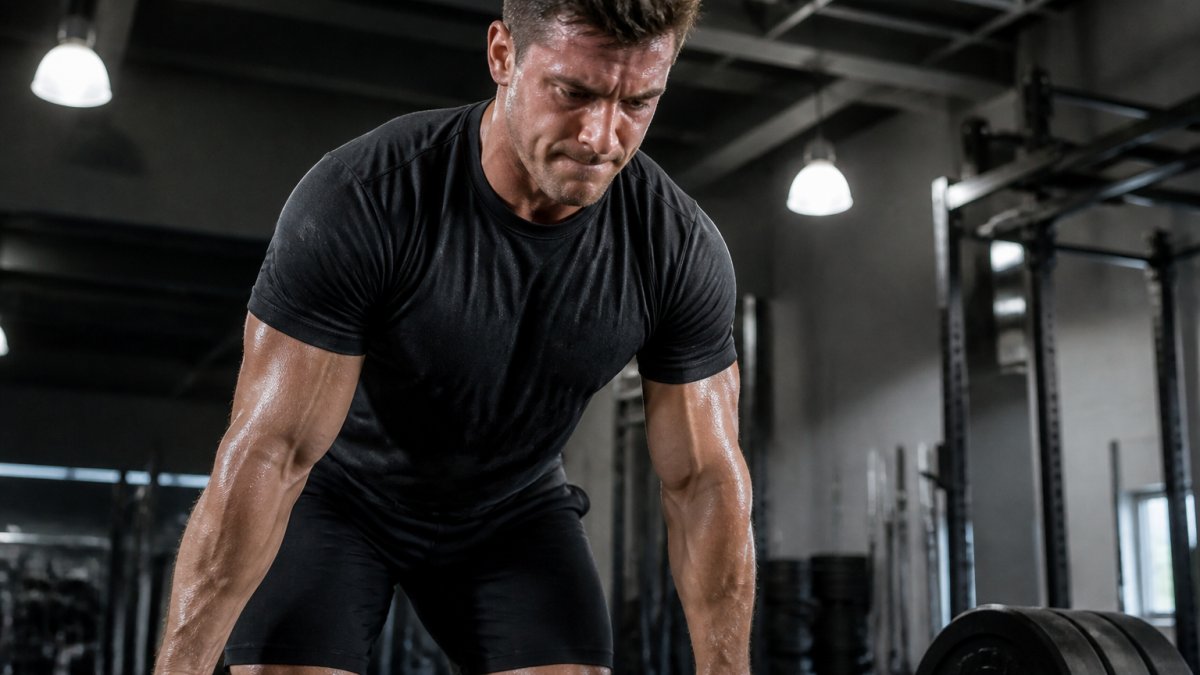
Organic fabric performance wear combines natural fibre benefits with technical construction built for serious athletes, tradespeople, and outdoor enthusiasts.
Modern organic activewear blends certified organic cotton and bamboo with technical fibres such as Lycra to create garments that breathe, wick sweat, resist odour, and endure repeated washing. At Shred Cartel, we've built our collection around this principle: premium organic blends that perform as hard as you do.

What separates organic fabric performance wear from pure synthetics and basic organic cotton is the engineering.
Moisture-Wicking and Sweat Management in Organic Activewear
Moisture-wicking in organic fabric performance wear works differently than in synthetics, but the outcome is the same: sweat moves away from your skin instead of pooling against it. Organic cotton and bamboo fibres are naturally hygroscopic, they absorb moisture and release it to the air, and when blended with technical fibres like Lycra, that property becomes directional, moving moisture toward the surface where it evaporates.
The key is fibre arrangement: hydrophobic fibres sit closer to skin while hygroscopic fibres occupy the outer layers, creating a moisture pathway that keeps sweat off your body, preventing the clammy feeling that makes standard cotton unsuitable for serious training.
One practical advantage: organic blends dry faster than pure cotton and often outperform synthetics in odour control. Synthetic fabrics trap the sweat molecules bacteria feed on, creating persistent smell even after washing, while organic fibres evaporate moisture better and are less hospitable to odour-causing bacteria.
Breathability and Temperature Regulation During Exercise
Breathability in organic fabric performance wear is how efficiently air circulates through the fabric, which directly impacts thermoregulation.
Bamboo fibre, common in premium organic activewear, has a porous structure that allows superior air circulation compared to polyester.
Temperature regulation matters most during variable-intensity training. When you shift from heavy exertion to recovery, sweat production drops but your body still needs efficient cooling.
Organic Cotton vs Polyester Activewear: Comfort and Durability
Comparing organic cotton versus polyester activewear reveals a genuine trade-off. Pure organic cotton offers superior skin comfort, breathability, and biodegradability but absorbs moisture heavily and loses shape with repeated washing.
For most athletes and workers, the practical winner is a blended approach. Shred Cartel's base shorts and singlets use a 67% bamboo, 28% cotton, 5% Lycra blend because this ratio delivers durability approaching polyester while maintaining organic comfort and breathability.

Well-constructed organic blends outlast both pure organic cotton and lower-quality synthetics.
Best Fabric for Gym Clothes: Natural Fibres and Blends
There is no single best fabric for gym clothes, because running, yoga, strength training, and physical labour place different demands on a garment.
How the main organic fibres behave
- Organic cotton, soft, breathable, durable, but highly absorbent: it holds moisture against the skin and dries slowly, making it poor standalone for high-sweat sessions but excellent for low-sweat, high-comfort activities.
- Merino wool, regulates temperature across a wide range, resists odour naturally, and insulates even when damp. The strongest all-rounder for variable conditions, though it costs more and needs gentler washing.
- Hemp, very strong, naturally resistant to odour and UV, and softens with washing. Less elastic than cotton, so it is usually blended with a small amount of elastane or Lycra for movement.
Matching fabric to activity
| Activity | Sweat level | Best organic-led choice | Why |
|---|---|---|---|
| Running (warm) | High | Bamboo/merino blend, light weight | Fast moisture movement, breathable, low cling |
| Running (cool) | Moderate | Merino or merino/cotton blend | Insulates when damp, resists odour on long efforts |
| Yoga / pilates | Low | Organic cotton/elastane or bamboo/elastane | Soft against skin, four-way stretch, minimal bulk |
| Strength training | Moderate | Cotton/hemp/elastane blend, mid weight | Holds shape under load, resists abrasion from bars and benches |
| Hot yoga | High | Lightweight bamboo/merino | Breathable, wicks without trapping heat |
| Outdoor work / trades | Variable | Hemp/cotton/elastane, heavy weight | Abrasion resistance, UV resistance, durability |
Matching fabric to climate
- Hot and humid, prioritise breathability and drying speed. Lightweight bamboo or merino blends (under 180 GSM) move moisture and release heat; heavy cotton saturates and stays wet.
- Cool and dry, merino and mid-weight cotton blends insulate without overheating and resist the clammy chill that follows sweat in cool air.
- Variable / transitional, merino's natural thermoregulation handles the shift from warm-up to cool-down better than any single plant fibre.
Fabric weight, in practice
- Under 180 GSM, summer running, hot yoga, humid climates. Prioritises airflow and fast drying.
- 180-250 GSM, year-round gym use, yoga, casual wear. The most versatile band.
- 250-300 GSM, strength training, cooler conditions, everyday wear with structure.
What to look for on the label
- Fibre percentages, listed in order, the first fibre is the dominant one.
- Elastane or Lycra content between roughly 3% and 8% for stretch recovery without losing the natural-fibre feel.
- A recognised organic certification (for example, GOTS for textiles) rather than a vague "natural" or "eco" claim.
Sustainable Performance Fabrics and Long-Term Value
Sustainable performance fabrics are usually discussed only in terms of what they save, water, pesticides, plastic. A more honest conversation covers the trade-offs too, because organic performance wear is not automatically better at everything.
What organic certification actually verifies
"Organic" on a clothing label is not a single, self-enforcing standard, it is verified by third-party certification bodies against defined criteria. The most widely recognised is GOTS (Global Organic Textile Standard), covering organic fibre content, chemical inputs, wastewater treatment, and social criteria across the supply chain. Other schemes include Oeko-Tex Standard 100 (tests for harmful substances but does not certify organic content) and the EU Organic logo for raw fibres.
What this means in practice:
Black & Silver Unisex Oversized T-Shirt →
- A garment labelled "organic" without a certification body and licence number is making an unverified claim.
- Blended garments can only carry a GOTS label if they meet the standard's fibre and processing thresholds, check the percentage of certified organic fibre stated on the label.
- Dyes and finishes matter as much as the fibre. A certified organic fibre dyed with azo dyes or finished with a formaldehyde-based resin is not a fully responsible garment.
The trade-offs of organic performance wear
Organic performance wear is not a free upgrade. Its limitations:
- Slower drying. Organic cotton and hemp hold moisture longer than polyester, leaving garments damp and cold against the skin in cool, wet conditions.
- Lower stretch and recovery. Without elastane, natural fibres lose shape faster under repeated load; even with it, recovery is slower than a pure synthetic knit.
- Abrasion and pilling. Some organic knits pill more readily than tightly woven synthetics, especially at high-friction points like underarm seams and thigh panels.
When a synthetic or blended fabric is the better choice
Cases where a synthetic or partly synthetic fabric outperforms an organic one:
- High-sweat endurance events in cool, wet weather, fast drying and wind resistance matter more than skin comfort.
- Compression garments, consistent, high-recovery stretch is the primary function.
- Water sports and swimming, a hydrophobic fabric is functionally necessary.
- Budget-constrained buyers, a well-made recycled polyester piece may deliver more usable life per dollar than a poorly made organic one.
A blended approach is often best: organic fibres for the body-facing layer where comfort and odour matter, and a small percentage of technical fibre for stretch, shape retention, and drying speed.
Microfibre shedding and end-of-life
Every fabric has an end-of-life story, and they are not equal:
- Synthetics (virgin or recycled), shed microfibres during washing that enter waterways and are hard to remove, and persist in landfill for decades. Recycled polyester reduces virgin plastic demand but does not solve shedding.
- Organic cotton and hemp, biodegrade under the right conditions and shed natural fibres that break down. More readily compostable, though dyes and finishes can affect this.
- Merino wool, biodegrades and releases nutrients as it breaks down, but requires more land and water per kilogram than plant fibres.
- Blends, hardest to recycle or compost because mixed fibres are difficult to separate; a cotton/elastane blend cannot be easily composted or mechanically recycled.
To reduce shedding from any fabric: wash less often, use a lower spin speed, and use a microfibre-catching wash bag or filter where available.
Total cost of ownership
Long-term value is not the purchase price but the cost per year of usable wear. A garment that costs more but lasts three years of regular training can cost less per year than a cheaper one that loses shape or pills within a season.
To estimate it: divide the purchase price by the months you realistically expect to wear it before it degrades, then compare that monthly figure across your options rather than sticker prices.
How to Care for Organic Activewear to Extend Its Lifespan
Proper care transforms organic activewear from a 12-month garment into a 3-year investment: wash cold, use gentle detergent, skip fabric softeners, and air dry whenever possible.
Cold water preserves fibre elasticity and prevents colour fading, while hot water breaks down the Lycra in blended fabrics, reducing stretch recovery and causing shape loss.
Turn garments inside out before washing to reduce pilling, wash with similar colours to prevent dye transfer, and avoid bleach and harsh chemicals.
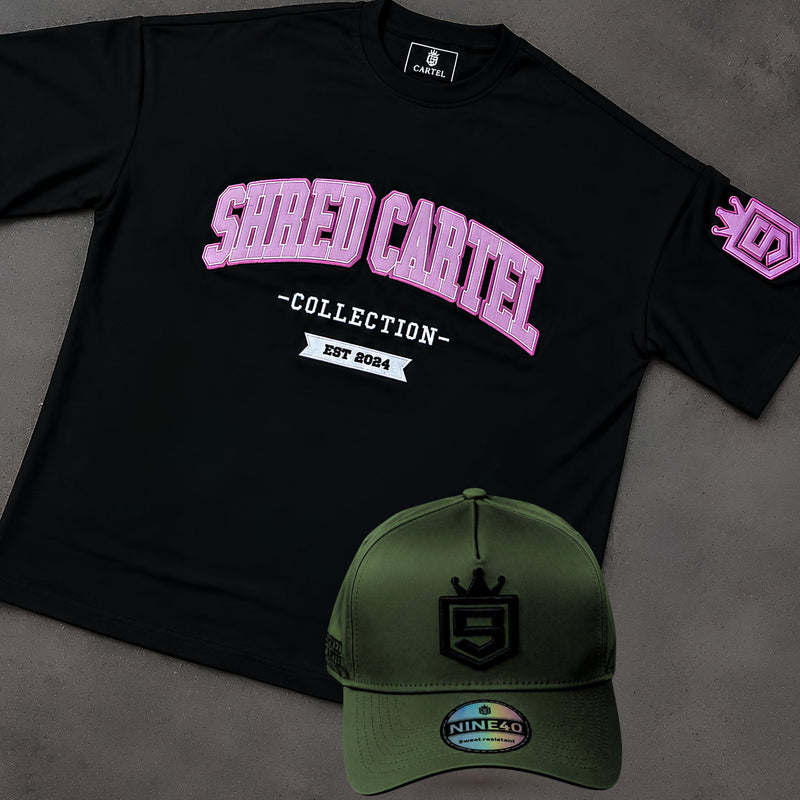
Choosing organic fabric performance wear means investing in garments engineered for the demands you place on them. Our Black & Silver Unisex Oversized T-Shirt and Iconic Singlet use certified organic fabric construction because it delivers the durability and comfort that justify the investment.

Frequently Asked Questions
Does organic cotton work well for high-intensity exercise?
Yes. Organic cotton blended with stretch fibres like Lycra performs exceptionally during high-intensity workouts. The bamboo and cotton blend (67% bamboo, 28% cotton, 5% Lycra) used in premium organic fabric performance wear wicks moisture effectively whilst maintaining breathability. Organic fibres absorb and release sweat faster than synthetics alone, keeping you dry and comfortable during intense sessions. The stretch component ensures unrestricted movement for functional fitness and heavy lifting.
How does organic cotton compare with recycled polyester for activewear?
Organic cotton excels in breathability and skin comfort, whilst recycled polyester offers faster drying times. Organic cotton is gentler on sensitive skin and reduces itching, making it ideal for extended wear. However, polyester dries marginally quicker. A blend combining both, like organic cotton with a small percentage of stretch fibre, delivers the best of both worlds: comfort, durability, and performance. Organic blends also avoid the microfibre shedding issues associated with pure synthetic fabrics.
How should you wash and care for organic activewear?
Machine wash organic activewear in cold water with mild detergent to preserve fabric integrity and colour. Avoid fabric softener, which can reduce breathability. Air-dry when possible; if using a dryer, select a low-heat setting. Turn garments inside-out before washing to protect embroidery and logos. Wash after every few wears to prevent odour retention. Proper care extends the lifespan of organic performance wear, making it a cost-effective investment despite the higher initial price.
What should you look for when choosing sustainable gym fabrics?
Prioritise certified organic fibres (look for recognised organic certification standards), moisture-wicking properties, and durability ratings. Check the fabric composition, a blend of organic cotton, bamboo, and a small percentage of elastane (Lycra) offers optimal performance. Examine GSM (grams per square metre) weight; 280 GSM indicates premium thickness that resists wear. Verify that the brand tests garments for real-world use, gym sessions, heavy lifting, and repeated washing.