

Table of Contents
- What Makes Performance Apparel Different in 2026
- Quick Comparison: Shred Cartel Performance Apparel Range
- Best Activewear Brands for Outdoor Training: What to Look For
- Activewear for Hot Weather: Breathability and Moisture Management
- Sweat-Resistant Gym Clothing: Why Fabric Blend Matters More Than Marketing
- Durable Workout Apparel: Testing, Wear, and Cost-Per-Wear
- Which Shred Cartel Pieces Suit Your Training
- Conclusion: Choosing the Best Designed Performance Apparel for 2026
- Frequently Asked Questions
Last Updated: October 13, 2026
What Makes Performance Apparel Different in 2026
Performance apparel is clothing engineered for high-exertion training in a harsh climate, and the best designed performance apparel in 2026 is judged on fabric behaviour rather than logo placement.
Most activewear sold today is polyester dressed up with a technical-sounding name. It wicks, but it also holds odour, pills after a few months, and feels clammy once sweat stops.
Below, we break down what to look for across outdoor training, hot-weather sessions, sweat resistance, and long-term durability, then match each need to a specific piece from our range.
Designed here versus made here
The keyword says "Australian designed", not "Australian made", and the distinction matters. A garment can be designed in Australia, pattern drafted, fabric specified, fit tested on local body shapes and training conditions, while the cut-and-sew happens offshore. A brand honest about which is which is easier to trust.
When you assess a claim of Australian design, ask three questions:
- Where was the pattern drafted? Design provenance shows up in the fit block, seam placement and how a garment moves through a squat or overhead press. A pattern built for a cooler climate often sits differently on the body here.
- Where was the fabric specified and tested? Fabric choice is a design decision. A brand that specifies its blend, weight and stretch percentage made that call deliberately rather than buying whatever was cheapest.
- Where was it cut and sewn? This is manufacturing, separate from design. Under Australian Consumer Law, goods sold here must be of acceptable quality and match their description regardless of where they were made, so the guarantee travels with the product either way.
Why the climate drives the design brief
A design brief written for local conditions starts from different constraints than one for a cold-weather market.
It also pushes toward sun-aware choices. The Cancer Council's SunSmart guidance recommends covering up and seeking shade during peak UV hours, noting that not all fabrics block UV equally, tighter weaves, darker colours, and denser knits offer more protection than loose, open-weave fabric.
What this means for the rest of this guide
Every piece below is designed in Australia around a certified organic bamboo blend, and we are explicit about the fabric composition because that is the part you can verify. We do not claim Australian manufacturing for the whole range, only that the design decisions were made for how people train here.
Quick Comparison: Shred Cartel Performance Apparel Range
Every piece below uses the same core blend, so the choice comes down to cut and use case.
| Piece | Price | Fabric | Best For |
|---|---|---|---|
| Base Shorts - Black | $59.99 | 67% bamboo, 28% cotton, 5% Lycra | Gym sessions, walking, daily wear |
| Iconic Singlet | $69.99 | 67% bamboo, 28% cotton, 5% elastane | Training, summer days, layering |
| Oversized T-Shirt (White, Black, Charcoal, Black & Silver) | $100.00 | 280 GSM organic bamboo blend | Pump covers, streetwear, everyday wear |
| Oversized Crop Top (White, Black) | $64.99 | 67% bamboo, 28% cotton, 5% elastane | Gym workouts, casual wear, summer |
The price gap reflects fabric weight and cut complexity, not a jump in material quality.

Best Activewear Brands for Outdoor Training: What to Look For
The best activewear brands for outdoor training solve for movement and sun exposure at the same time, not just sweat.
Three things decide whether a piece survives that environment:
- Stretch that recovers. Four-way stretch returns to shape after a squat or sprint. Cheap elastane stretches once and sags permanently.
- Breathability under direct sun. A fabric that traps heat turns a 30-minute session into a sufferfest. Bamboo blends move air better than tight-knit synthetics.
- Durability at the seams. Outdoor training pulls at stitching. Reinforced stitching is the difference between a piece that lasts a season and one that lasts years.
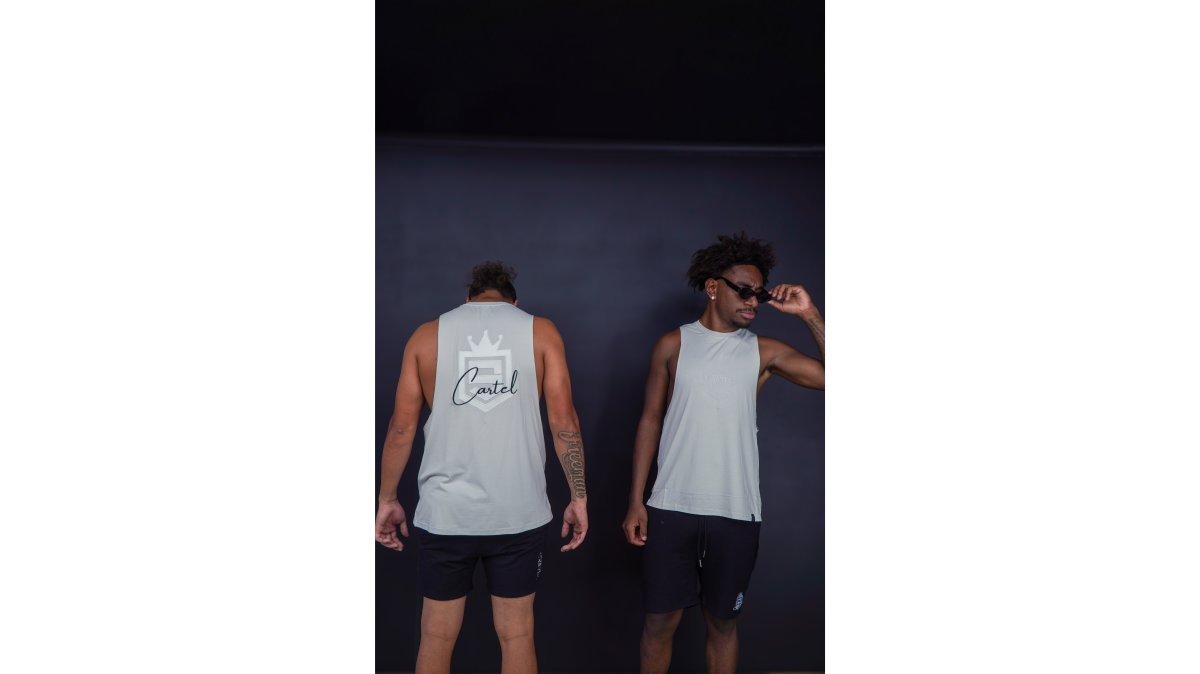
Our Iconic Singlet is built for this. The lightweight bamboo blend keeps air moving, the stretch fit allows unrestricted movement, and the embroidered branding survives washing without cracking the way printed logos do.

Activewear for Hot Weather: Breathability and Moisture Management
This is where natural-fibre blends pull ahead of pure synthetics. Bamboo fibre is naturally porous, so it breathes in a way tightly woven polyester cannot.
What most buyers get wrong is assuming "moisture-wicking" on a label means the fabric will feel dry.
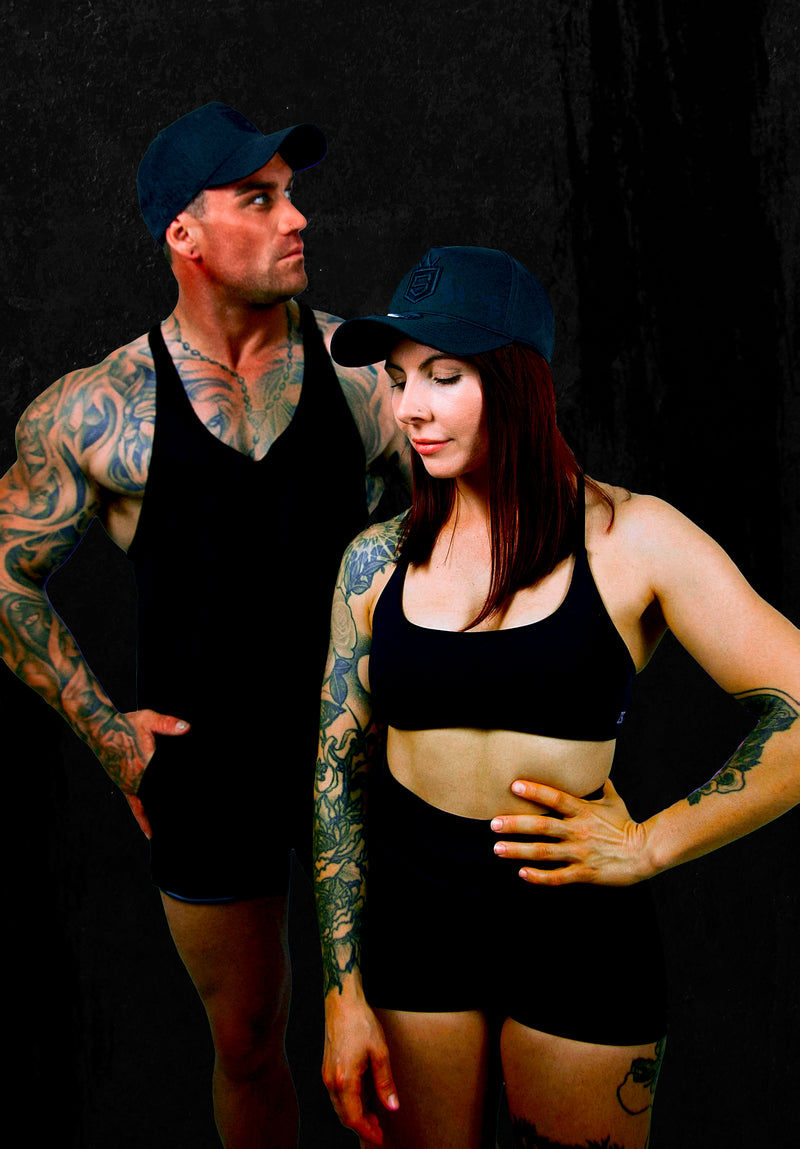
For hot-weather sessions, lighter cuts win. The Oversized Crop Top uses the same bamboo blend in a relaxed, breathable cut that works for training and for the walk home.
Sweat-Resistant Gym Clothing: Why Fabric Blend Matters More Than Marketing
Sweat-resistant gym clothing is defined by how the fabric handles perspiration over time, not by a wicking claim on the tag.
Synthetic fabrics are oleophilic, meaning they attract and hold oils from sweat, which is why polyester gym gear develops a permanent smell no amount of washing removes.
Shred Cartel Base Shorts – Black →
The blend we use, 67% bamboo, 28% cotton, and 5% Lycra, is built around that principle: bamboo handles moisture and odour, cotton adds breathability and softness, and Lycra provides stretch and shape retention.
Durable Workout Apparel: Testing, Wear, and Cost-Per-Wear
Durable workout apparel is judged by cost-per-wear, not sticker price. A $60 piece lasting three years of regular training costs far less per session than a $30 piece that loses its shape in four months.
If you train four times a week, a single pair of shorts gets roughly 200 wears a year. A piece that survives two years at that rate works out to well under a dollar per session.
The criteria we test against
A useful comparison applies the same criteria across every piece, so you can see where one garment beats another rather than taking a brand's word for it:
- Fabric weight (GSM). Grams per square metre tells you how substantial a knit is. Our oversized tees use 280 GSM fabric, heavy enough to hold structure through heavy rotation. Lighter singlets and shorts rely more on fibre quality than bulk for longevity.
- Stretch and recovery. Four-way stretch returns to shape after a squat or sprint; cheap elastane stretches once and sags permanently. Our blend uses 5% Lycra or elastane, enough for recovery without turning the garment into a synthetic.
- Shrink resistance. A garment that shrinks after the first wash is one you stop wearing.
How to run your own cost-per-wear test
You do not need a lab to compare two garments:
- Note the price and the fabric composition.
- Estimate how many times a week you will realistically wear it.
- Track how it looks and smells after ten, twenty and fifty washes.
- Divide the price by the number of wears before it stops being something you want to put on.
A $100 tee worn twice a week for two years works out to roughly a dollar a wear. A $30 tee that pills and sags after three months costs more per wear, even though it was cheaper at the till.
Where the range sits on price and value
Our pieces run from $59.99 for the Base Shorts to $100.00 for the oversized tees. The gap reflects fabric weight and cut complexity, not material quality, every piece uses the same core bamboo blend, so the value case is consistent.
We back every piece with a 4.99 star rating across 144 verified reviews, reflecting how the range holds up over months of real use.
Which Shred Cartel Pieces Suit Your Training
Matching the piece to the session is what makes the gear work. The fabric is consistent across the range, so the decision comes down to cut, coverage, and how you train.
- Heavy lifting and gym sessions: The Base Shorts ($59.99) with the squat-proof, non-ride-up fit. Pair with the Iconic Singlet ($69.99) for unrestricted movement under the bar.
- Outdoor training and running: The Iconic Singlet for breathability in direct heat, or the Oversized Crop Top ($64.99) for a lighter, relaxed cut.
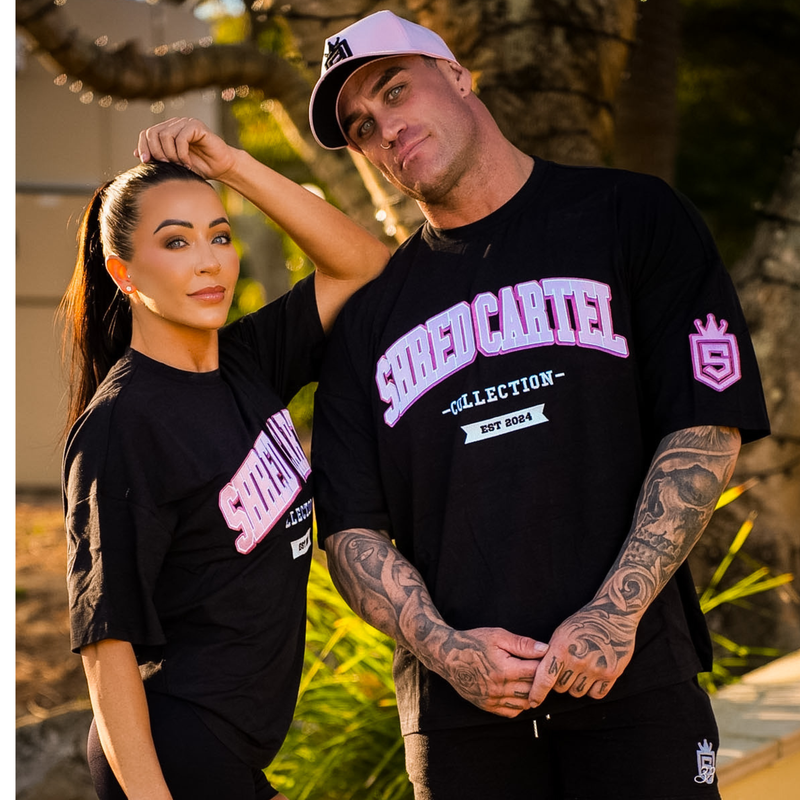
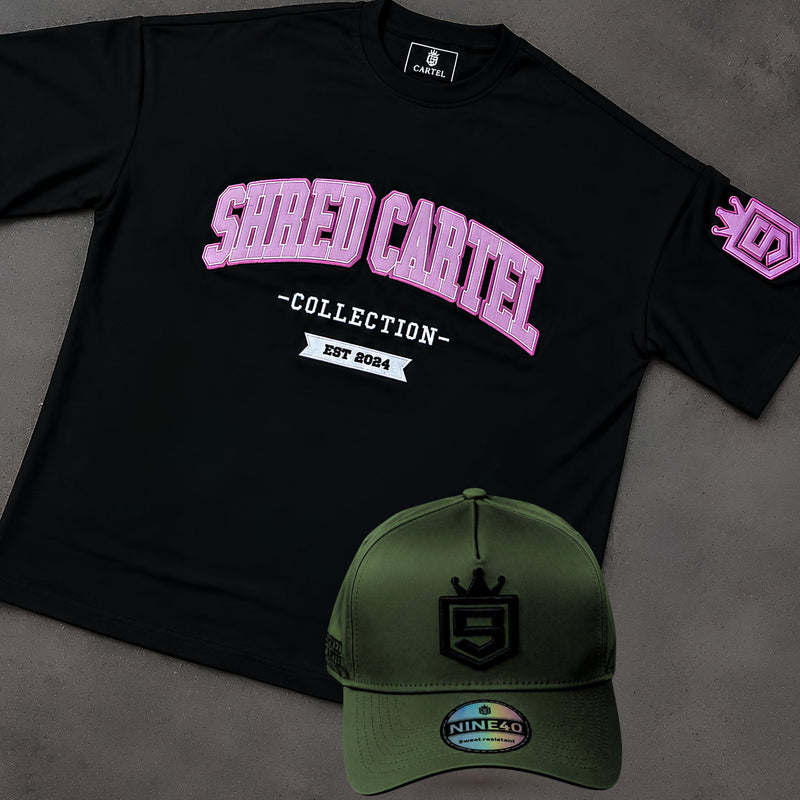
- Pump covers and streetwear: The Oversized T-Shirts ($100.00) in white, black, charcoal, or black and silver. The 280 GSM fabric and drop-shoulder cut work for the gym and for everyday wear.
- Everyday and casual wear: Any piece in the range, since the bamboo blend is soft enough for all-day comfort and structured enough to look sharp.
If you are unsure, start with the Base Shorts and the Iconic Singlet. That combination covers most training needs and shows how the fabric performs before you build out the wardrobe.

Conclusion: Choosing the Best Designed Performance Apparel for 2026
Most performance gear looks the same on the shelf and only reveals its weaknesses after a month of real training. Fabric blend, stretch recovery, and stitching quality separate gear that lasts from gear that gets retired early.
At Shred Cartel, we build every piece around a certified organic bamboo blend, durable stitching, and cuts designed for movement rather than display.
Browse our Collections and find the pieces that match how you train.
Frequently Asked Questions
What are the best Australian-designed activewear brands?
The best Australian-designed performance apparel brands combine local design provenance with verifiable fabric specifications. Look for brands that disclose exact material compositions, such as a 67% bamboo, 28% cotton, and 5% Lycra blend, and that back durability claims with consistent construction details like durable stitching and shrink-resistant finishes. Shred Cartel, for example, designs its range in Australia and publishes full fabric breakdowns for every piece, which makes it easier to compare performance claims across products rather than relying on marketing language alone.
Which fabrics are best for sweaty workouts?
Bamboo-blend fabrics perform well for sweaty workouts because bamboo fibres are naturally breathable and moisture-friendly, while a small amount of Lycra or elastane adds stretch and shape retention. A blend like 67% bamboo, 28% cotton, and 5% Lycra balances softness with quick-drying behaviour and four-way stretch. Pure cotton tends to hold moisture and dry slowly, which is why it is less suited to high-sweat training. For hot-weather sessions, prioritise breathability and stretch over thickness, and check the GSM rating if the brand publishes it.
Is Australian-designed activewear suitable for hot-weather training?
Yes, Australian-designed activewear is often built with hot-weather training in mind because the local climate demands breathable, lightweight fabrics that manage sweat. Look for pieces made from bamboo blends or moisture-wicking technical materials, and favour lighter constructions for summer sessions. Singlets and shorts offer more airflow than heavier tees. If you train outdoors, choose light colours and breathable weaves, and consider layering with a lightweight oversize tee that can be removed as your body temperature rises during the session.
How should gym clothes fit for strength training?
Gym clothes for strength training should allow full freedom of movement without excess fabric that catches on equipment. Shorts should sit snug without riding up, which is why a fit with a squat-proof design works well for lifts like squats and deadlifts. Tops should offer stretch through the shoulders and chest. Oversized tees provide room for a pump cover, but size down if you want a closer fit. The priority is that nothing restricts your range of motion during compound lifts.
How do I care for sweat-resistant activewear?
Care for sweat-resistant activewear by washing in cold water and avoiding fabric softener, which can coat moisture-managing fibres and reduce breathability. Turn garments inside out before washing to protect embroidery and prints. Bamboo-blend pieces like Shred Cartel's range are shrink-resistant and can handle machine washing and dryer use. Wash gym gear promptly after heavy sessions to prevent odour buildup, and avoid overloading the machine to reduce abrasion on durable stitching.