


Table of Contents
- The Short Answer: Does Organic Cotton Wick Sweat?
- Absorbency vs Wicking: Why the Difference Matters for Your Training
- Organic Cotton Breathability: How Airflow Affects Comfort
- Cotton vs Polyester for Sweat: Which Fabric Handles Moisture Better?
- The Best Fabric for Wicking Sweat: Comparing Natural and Synthetic Options
- How to Care for Organic Cotton Gym Clothes So They Last
- Conclusion: Choosing the Right Fabric for Your Workout
- Frequently Asked Questions
Last Updated: October 5, 2026
The Short Answer: Does Organic Cotton Wick Sweat?
No. Organic cotton does not wick sweat, it absorbs it. That distinction explains why some gym-goers love their organic cotton tees and others feel soaked halfway through a session.
Wicking pulls moisture along the fabric and spreads it out to evaporate fast. Cotton does the opposite: it drinks moisture into the fibre and holds it there.
Cotton's fibre structure is built around cellulose, which bonds with water, making it highly absorbent, the reason a cotton towel works so well.
So does organic cotton wick sweat? No, it manages sweat through absorption and breathability instead. Whether that's good enough depends on how hard you're training.
Absorbency vs Wicking: Why the Difference Matters for Your Training
Absorbency and wicking are two different jobs, and confusing them is the most common mistake in fabric advice.
Absorbency is how much moisture a fibre can take in and hold. Wicking is how fast a fabric moves moisture away from your skin and spreads it across the surface to dry.
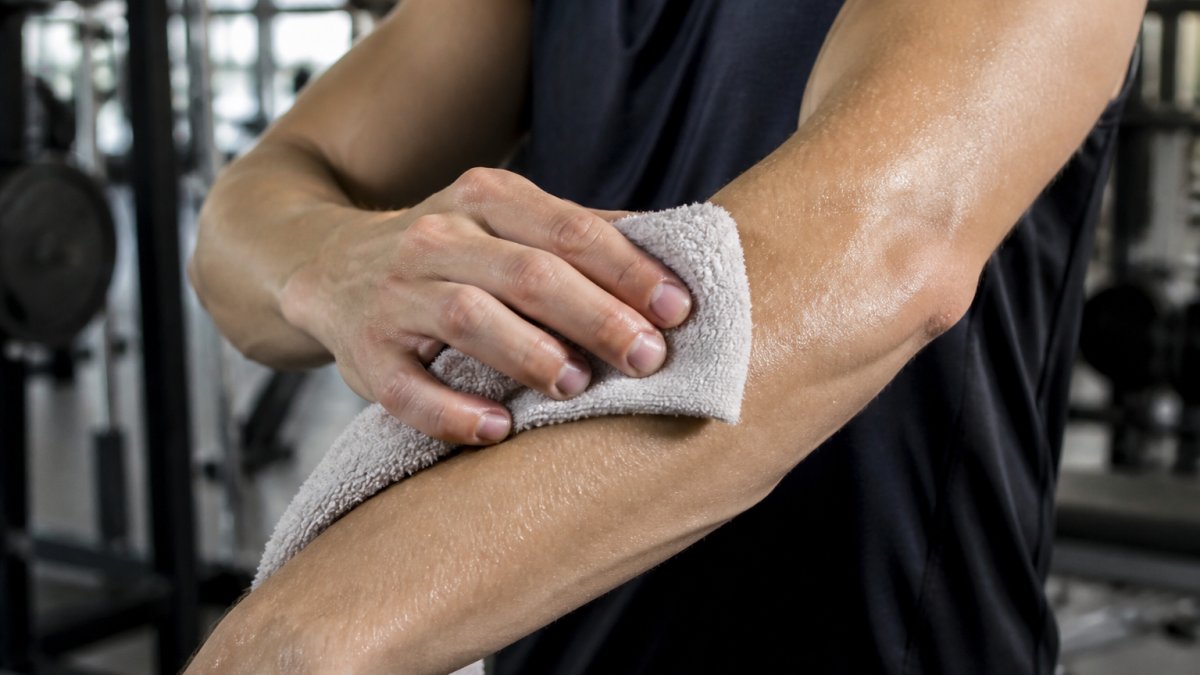
What happens at the fibre level
Cotton's fibre is built around cellulose, covered in hydroxyl groups that bond readily with water.
Synthetic performance fibres such as polyester are hydrophobic, they repel water. Instead of absorbing sweat, they rely on yarn and knit shape to pull liquid along the surface through capillary action, spreading it thin so it evaporates quickly. The fibre stays dry; the moisture travels across it.
That is the whole distinction in one line: cotton stores moisture, synthetics transport it.
Why that matters during a session
- Absorbent fabric: pulls sweat into the fibre, feels damp against skin, dries slowly because the water has to work its way back out
- Wicking fabric: moves sweat to the surface, feels drier next to skin, dries fast because the moisture is spread thin
- Breathable fabric: lets air pass through, helping evaporation, a separate property from either of the above
For a light gym session or a walk, absorption is fine: body heat and airflow dry the fabric gradually, and the cotton feels soft rather than clammy. For heavy lifting or a long run, a wet cotton shirt clings and cools you down when you stop. The fabric is doing what its chemistry dictates, just not the job high-sweat training asks for.
The Textile Institute's fibre property guides explain that fibre chemistry drives these differences. Cellulose-based fibres like cotton attract water. Synthetic fibres like polyester repel it, which is why they push moisture outward instead.
How to test a garment yourself
You do not need a lab to tell whether clothing wicks or absorbs. Two home tests show the difference in under ten minutes.
The drop test. Place the fabric flat and add a single drop of water. On a wicking fabric, it spreads into a wide, shallow patch within seconds.
The hang-dry test. Wet a patch thoroughly, hang it in still air at room temperature, and check every 15 minutes.
The construction caveat
Fibre content alone does not decide performance. A lightweight, open-knit organic cotton tee handles sweat far better than a heavy, tightly woven one, because more air reaches the skin and moisture has more surface area to escape from. Weight, weave and fit can matter as much as the fibre label.
Organic Cotton Breathability: How Airflow Affects Comfort
Organic cotton breathability is one of its strongest features, and it's the reason the fabric still works for plenty of active people.
Breathability is about airflow, not moisture movement. Air passing through the fabric helps sweat evaporate from your skin and from the cloth itself.
That airflow does two useful things:
- It helps your body regulate temperature during and after exercise
- It speeds up drying compared with tightly woven, non-breathable fabrics
But here's the catch. Breathability can't outrun heavy sweat. If you're drenched, the cotton holds that moisture, and airflow alone won't dry it quickly.
The takeaway: breathable cotton is comfortable, but it isn't fast-drying. Match it to the intensity of what you're doing.
Cotton vs Polyester for Sweat: Which Fabric Handles Moisture Better?
For sweat handling during intense exercise, polyester wins. For comfort during lighter activity, cotton holds its own.
Polyester is engineered to wick: it pulls sweat off your skin and spreads it thin so it evaporates quickly, which is why most high-sweat activewear is synthetic.
| Factor | Organic Cotton | Polyester |
|---|---|---|
| Moisture handling | Absorbs and holds | Wicks and spreads |
| Drying time | Slow | Fast |
| Breathability | High | Varies by knit |
| Feel on skin | Soft, natural | Smooth, can cling |
| Odour over time | Can hold smells when damp | Can hold smells if not washed well |
| Best for | Low to moderate activity | High-sweat sessions |
The odour point surprises people. Damp fabric, natural or synthetic, gives bacteria a place to grow. Neither fibre is immune. Washing promptly and drying fully matters more than the fibre itself.
Construction changes everything: a lightweight, open-knit organic cotton tee handles sweat far better than a heavy, tight one, so weight and weave can matter as much as the fibre label.
The Best Fabric for Wicking Sweat: Comparing Natural and Synthetic Options
The best fabric for wicking sweat is a synthetic performance fabric or a purpose-built blend. But natural fibres and blends each have a place, depending on your activity and sweat level.
Here's how the main options stack up:
- Polyester and synthetic performance fabrics: Best for wicking. Fast-drying, ideal for high-sweat training.
- Merino wool: Wicks well and resists odour naturally. Feels warmer, costs more, and some find it itchy.
- Organic cotton: Absorbs and breathes. Great for low-intensity activity and everyday wear.
- Hemp: Durable and breathable, with good moisture handling. Often blended for softness.
- Fabric blends: Combine fibres to balance wicking, softness, and durability. A cotton-synthetic or bamboo blend can outperform either fibre alone.
At Shred Cartel, our apparel uses a premium organic blend of 67% bamboo, 28% cotton, and 5% Lycra. Bamboo brings softness and breathability, cotton adds natural comfort, and Lycra gives the 4-way stretch that holds shape through repeated washing. It's built for comfort and durability, not pure wicking, and we're upfront about that.
How to Care for Organic Cotton Gym Clothes So They Last
Caring for organic cotton gym clothes properly keeps them fresh, soft, and shape-holding for years. The rules are simple, but skipping them shortens a garment's life and degrades how the fabric handles sweat over time.
Why sweat left in cotton is a bigger problem than sweat left in synthetics
Cotton holds moisture inside the fibre, the same property that makes it absorbent, and why a damp cotton tee left in a gym bag is a better home for odour-causing bacteria than a damp synthetic one. The moisture stays longer, the fabric stays warm, and bacteria get exactly the conditions they need.
The smell isn't the sweat, fresh sweat is largely odourless. It comes from bacteria breaking down sweat compounds, a process that needs moisture and time. Remove either and you remove the smell.
A care routine built around drying, not just washing
- Wash soon after wearing. Damp fabric left in a bag grows odour. Don't let sweat sit, same-day washing is ideal, and overnight is the outer limit.
- Use cold water. Hot water can shrink cotton and wear out stretch fibres like Lycra. Cold water cleans activewear just as effectively for everyday sweat.
- Turn garments inside out. This protects prints and reduces surface pilling, and it exposes the side that actually touched your skin to the wash action.
- Skip the dryer when you can. Air-drying preserves shape and fibre strength. If you must tumble dry, use low heat and remove the garment while it is still slightly damp.
- Dry fully before storing. A garment that feels dry on the outside can still hold moisture in the thicker areas, waistbands, seams, hems. Store it damp and you are back to the odour problem.
- Wash with similar colours. Natural dyes can bleed, especially when new.
- Avoid fabric softener. It coats fibres and reduces breathability over time, which directly undermines the one performance advantage cotton has.
How to dry organic cotton faster
Drying speed is where cotton loses to synthetics, so it's worth optimising. Three things make the biggest difference:
- Airflow over heat. A fan or a breezy spot dries cotton faster than a warm, still room. Moving air carries moisture away from the surface, which is the rate-limiting step.
- Spread, don't bunch. Hang garments flat or on a wide hanger so air reaches both sides. A crumpled pile of cotton dries from the outside in and stays damp in the middle.
- Dry inside out. The inner surface is where the sweat is, so give it the most exposure.
In humid conditions, none of this matches a tumble dryer, a fair trade for the fabric longevity you get from air-drying, but worth knowing before you plan a workout around a garment still damp from yesterday.
Odour over repeated use
Cotton activewear often starts holding onto smell after a few months of heavy use, even when washed regularly. That usually means bacteria have colonised the fibres, not that the washing machine is failing. Two things help:
- A vinegar pre-soak. A diluted white vinegar soak before washing breaks down residue that traps odour compounds. It is gentle on cotton and safe for most dyes.
- An occasional hot wash. If the care label allows it, a hot wash every few months resets the fabric. Check the label first, this is the one time heat is on your side.
The ACCC guidance on clothing care labels is worth checking. Care labels exist for a reason, and following them protects both the fabric and your money.
Conclusion: Choosing the Right Fabric for Your Workout
The real challenge isn't finding the "best" fabric, it's matching the fabric to your training. Organic cotton absorbs and breathes, suiting low-intensity sessions and everyday wear. For heavy sweat, a blend or synthetic performance fabric keeps you drier.
At Shred Cartel, we build Australian-designed performance streetwear for people who train hard and want gear that holds up. Our apparel uses a certified organic blend of bamboo, cotton, and Lycra for breathable comfort, with 3D embroidery and structured fits on our caps. Every piece is made to keep its shape through intense workouts and repeated washing.
Browse our collections and find gear built for the grind.
Frequently Asked Questions
Does organic cotton wick away sweat?
No, organic cotton does not wick sweat in the technical sense. Wicking fabrics pull moisture along the fibre surface and spread it for fast evaporation. Organic cotton absorbs sweat into its fibres instead, which means it holds moisture rather than moving it away. For low-intensity activity or everyday wear, this absorbency keeps you comfortable. For intense exercise, it can leave fabric feeling damp against your skin.
What material is best for wicking sweat?
Synthetic performance fabrics like polyester and nylon are engineered to wick moisture quickly because their fibres are hydrophobic. Merino wool also wicks well while offering natural odour resistance. For the best fabric for wicking sweat during high-sweat activities, look for synthetic blends or merino. Organic cotton works well for lower-intensity movement where breathability and softness matter more than rapid moisture transport.
Is organic cotton good for working out?
Organic cotton works well for low-intensity activity, stretching, yoga, or everyday gym wear where comfort and breathability are priorities. For intense exercise with heavy sweating, it absorbs moisture and can feel damp. If you sweat a lot during heavy lifting, look for blends that combine organic cotton with moisture-wicking fibres, or choose garments designed for sweat management.
How do I care for organic cotton gym clothes to keep them fresh?
Wash organic cotton gym clothes in cold water and turn them inside out to protect the fibres. Avoid fabric softener because it coats fibres and reduces breathability. Air dry when possible to maintain shape and softness. If you must use a dryer, choose low heat. Wash soon after wearing to prevent odour from sweat bacteria settling into the fabric.