


Table of Contents
- Sweat Resistant Gym Wear for Men: What Actually Works
- How to Choose Sweat-Resistant Fabrics
- Men's Quick-Dry Gym Clothes: When Fast Drying Beats Heavy Cotton
- Sweat-Wicking Workout Shirts for Men: Fit, Fabric and Freedom of Movement
- Men's Breathable Gym Shorts: Length, Stretch and Squat-Proof Fits
- How to Wash Sweaty Workout Clothes (and Make Them Last)
- Sweat Resistant Gym Wear for Men by Workout and Climate
- Conclusion
- Frequently Asked Questions
Last Updated: October 7, 2026
Sweat Resistant Gym Wear for Men: What Actually Works
Sweat resistant gym wear for men is clothing engineered to move moisture away from the skin and dry quickly, rather than soaking it up and holding it against your body.
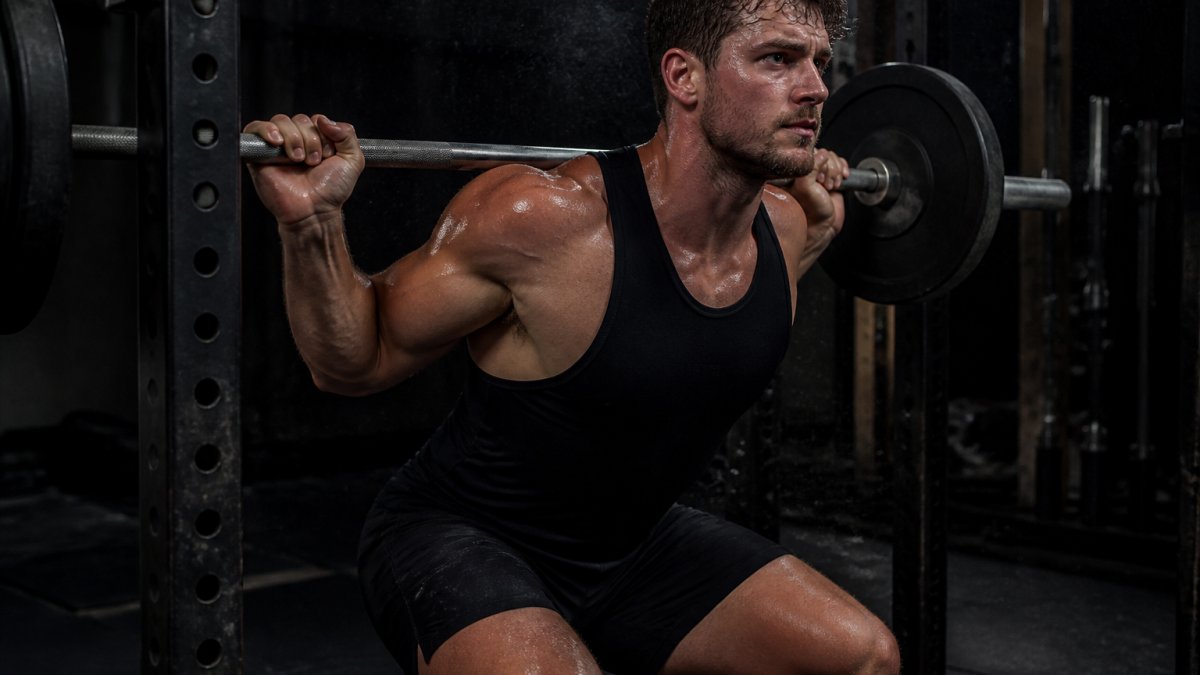
Sweat resistance isn't a coating you can wash into a shirt. It's a property of the fibre and the knit. Bamboo-blend jersey moves moisture to the surface where it evaporates, while mesh panels add airflow at the back and underarms.
How to Choose Sweat-Resistant Fabrics
Start by reading the composition tag, not the marketing copy. A fabric earns the sweat-resistant label when it moves moisture to the surface and dries fast, and the fibre blend tells you whether that will happen after the tenth wash or only the first.
The Three Mechanisms That Matter
Sweat resistance is not one property. It is three working together:
- Wicking, capillary action pulls liquid sweat along the fibre surface and spreads it across a wider area so it can evaporate. Hydrophilic fibres (treated polyester, bamboo viscose, nylon) do this well; untreated cotton does not.
- Quick drying, the rate at which that spread moisture leaves the fabric. Thin knits, open structures and low water-holding fibres dry fastest. Thick loops and tight weaves hold water longer.
- Breathability, air permeability, which lets vapour escape before it condenses. Mesh panels, jacquard knits and loose constructions increase it; coated or tightly woven shells reduce it.
A garment can wick well but dry slowly (heavy cotton-synthetic blends), or dry fast but not wick (some coated nylons). The best training pieces balance all three.
Bamboo, Cotton and Synthetic Blends Compared
Cotton feels soft but holds water, which is why a soaked cotton tee stays damp for the whole session. Pure synthetics dry fast but can trap odour in the fibre. Bamboo blends sit in the middle: soft like cotton, quick to release moisture, and naturally breathable.
| Fabric | Sweat Handling | Dry Speed | Odour Risk | Best For |
|---|---|---|---|---|
| Heavy cotton | Absorbs and holds | Slow | High (stays damp) | Low-sweat, casual wear |
| Pure polyester | Wicks well | Fast | Moderate (traps oils) | High-sweat cardio |
| Bamboo blend | Wicks and breathes | Fast | Low (natural antibacterial) | Lifting, all-day wear |
| Cotton-synthetic mix | Moderate wicking | Medium | Moderate | General training |
How to Compare Claims Without a Lab
You will not find standardised drying-time or breathability ratings on most retail tags, so use these practical checks:
- Hold it to light. If you can see through the knit, air will move through it. Dense, opaque fabrics trap heat.
- Stretch it. A fabric that springs back holds its shape and wicking channels after washing. One that stays stretched has lost elastane.
- Check the blend ratio. A 60/40 cotton-synthetic mix will still hold significant water. Look for synthetics or bamboo above 50% for serious sweat management.
- Look for mesh or ventilation zones. Panels under the arms, down the spine or behind the knees signal a garment designed for airflow, not just marketing.
- Read the care label. If it says cold wash and no softener, the brand understands wicking performance. If it says tumble dry, the fabric is probably not performance-oriented.
Why Animal-Free Materials Are Worth Checking
Bamboo, cotton and Lycra blends hold their shape and stay skin-friendly, which matters when you're washing gear several times a week.
Men's Quick-Dry Gym Clothes: When Fast Drying Beats Heavy Cotton
Men's quick-dry gym clothes win whenever you train hard enough to soak through a shirt. Quick-dry fabric releases moisture so it evaporates while you're still moving, instead of sitting cold against your skin between sets.
Heavy cotton does the opposite. It soaks, gets heavy, and stays wet long after you've finished, which is exactly when chafing and odour start. If you train most days, quick-dry pieces also mean less laundry backlog because they're dry and ready again fast.
Sweat-Wicking Workout Shirts for Men: Fit, Fabric and Freedom of Movement
Sweat-wicking workout shirts for men should fit close enough to move moisture with you but loose enough to let air circulate. The target is freedom of movement: no riding up on overhead presses, no bunching at the shoulders, no fabric dragging across the chest during a bench set.
Tank Tops, T-Shirts and Singlets Compared
Tank tops and singlets suit heavy lifting and hot sessions because they expose the arms and dump heat fast. T-shirts cover more and work better for cooler gyms or when you want to train and then walk straight out without changing.
Our Iconic Singlet is built for exactly this: a lightweight bamboo blend (67% Bamboo, 28% Cotton, 5% Elastane) with a stretch fit for unrestricted movement and durable stitching for long wear. It's $69.99, and the minimalist design means it works as gym wear or everyday wear.
Shred Cartel Base Shorts – Black →

Men's Breathable Gym Shorts: Length, Stretch and Squat-Proof Fits
Men's breathable gym shorts need three things: the right length, enough stretch, and a fit that doesn't move when you do. An athletic length sits snug against the thigh, which keeps the hem out of the way on squats and lunges.
Stretch matters more than most people realise. Without it, a deep squat pulls the fabric tight across the hips and the shorts ride up. Our Base Shorts use the same bamboo blend, are 100% squat-proof, and are cut so they won't ride up. At $59.99, they're built for gym sessions, walking and daily wear.

| Short Style | Length | Stretch | Best For |
|---|---|---|---|
| Base Shorts | 5-inch | 4-way bamboo blend | Lifting, squats, all-day |
| Longer training shorts | 7-9 inch | Varies | Running, coverage |
How to Wash Sweaty Workout Clothes (and Make Them Last)
Wash sweaty workout clothes in cold water, turn them inside out, and skip the fabric softener. Heat and softener both break down stretch fibres, which is how good gear turns into shapeless gear within a season.
Cold-Water Washing and What to Avoid
- Wash cold, not hot: heat sets odour and weakens Lycra and elastane
- Skip fabric softener: it coats the fibre and blocks moisture wicking
- Air dry where you can: tumble drying shortens the life of stretch fabric
- Wash after every heavy session: dried sweat is what locks in smell
Sweat Resistant Gym Wear for Men by Workout and Climate
Match the fabric to the session and the weather. Heavy lifting in a warm gym calls for singlets and short, breathable shorts. Outdoor running in summer needs quick-dry, lightweight fabric that won't cling. Cooler morning sessions suit a long-sleeve shirt or hoodie over a wicking base layer, with a jacket for wind.
Workout-by-Workout Feature Match
| Workout | Priority Feature | Why |
|---|---|---|
| Heavy lifting (squat, deadlift) | 4-way stretch, squat-proof cut, flat seams | Prevents fabric pulling and seam chafe under load |
| Cardio (running, rowing) | Lightweight knit, high breathability, close fit | Reduces drag and lets heat escape during sustained output |
| HIIT and circuits | Quick-dry blend, mesh ventilation zones | Handles repeated sweat-and-dry cycles within one session |
| Outdoor training (hot) | Light colour, loose cut, lightweight fabric | Reduces heat absorption and visible sweat marks |
| Outdoor training (cold) | Wicking base layer, mid layer, wind shell | Base moves moisture; outer layers manage temperature |
Fit, Chafing and Sweat Visibility
Fit is not vanity, it changes how fabric performs. A shirt that clings too tightly traps moisture against the skin and shows every sweat mark. One that hangs too loose bunches under the arms and drags during overhead work. The target is a close but not compressive fit that moves with you.
- Seam placement. Flatlock or bonded seams reduce friction at the shoulders, nipples and underarms, the three highest-chafe zones for men.
- Ventilation. Mesh under the arms, a vented back panel or a racerback singlet cut all increase airflow where sweat concentrates.
- Colour choice. Black, navy and dark grey hide sweat marks best. Light grey and pastels show them fastest. If visibility matters, choose a patterned or textured fabric.
- Fabric cling. Bamboo blends and brushed synthetics drape rather than cling when wet. Smooth, thin polyester can become transparent when soaked.
Cold-Weather Layering That Still Wicks
For cold-weather activewear, layering beats one thick piece: a sweat-wicking base, a mid layer for warmth, and a shell for wind. The base layer does the work; the outer layers just manage temperature. Avoid cotton as a base layer in cold conditions, once it is wet it stays cold against the skin and pulls heat away from the body.
Conclusion
Getting sweat-resistant gym wear right comes down to fabric and fit, not price tags or logos. Choose bamboo or synthetic blends over heavy cotton, pick a fit that moves with you, and wash cold to keep the wicking properties intact. Shred Cartel builds performance streetwear around exactly these principles, from our bamboo-blend Base Shorts to the Iconic Singlet, with durable stitching and a fit designed to hold up through intense training. Browse our Collections and gear that keeps up with the grind.
Frequently Asked Questions
Which fabrics are best for sweat-resistant gym wear?
Look for blends that pull moisture away from the skin rather than holding it. Bamboo-cotton-Lycra blends, like the 67% bamboo, 28% cotton, 5% Lycra mix used in Shred Cartel's Base Shorts, stay soft, breathe well and dry faster than plain cotton. Pure cotton soaks up sweat, gets heavy and clings, which is why it is a poor pick for heavy lifting or hot sessions. Mesh and jersey panels also help airflow where you sweat most.
Are quick-dry gym clothes better than cotton?
For training, yes. Cotton absorbs sweat and holds it against your skin, which slows drying and can leave you cold once you stop moving. Quick-dry fabrics move moisture to the surface so it evaporates faster, keeping you drier between sets and on the walk home. For low-intensity days or casual wear, cotton still feels fine. For anything where you sweat hard, quick-dry wins.
How should men wash sweaty workout clothes?
Wash them after every session in cold water with a normal detergent, then air dry where possible. Cold water protects stretch fibres like Lycra and elastane, and air drying prevents the heat damage that shrinks or dulls fabric over time. Turn garments inside out to protect prints and embroidery, and skip fabric softener because it coats the fibres and reduces how well they wick sweat.
What should men wear for intense gym workouts?
Go with a breathable singlet or sweat-wicking T-shirt, plus shorts that stay put. The Shred Cartel Iconic Singlet is a good example: lightweight bamboo blend, stretch fit and embroidered branding that holds up to repeated washing. Pair it with the Base Shorts, which are squat-proof, five inches long and cut so they do not ride up during squats or leg press. Fit matters as much as fabric here.
Do sweat-resistant clothes actually stop stains and smells?
They reduce both, but only if you care for them properly. Fabrics that dry fast give odour-causing bacteria less time to build up, and non-absorbent materials resist staining better than cotton. The catch is washing: leave sweaty gear in a bag overnight and bacteria multiply regardless of fabric. Wash cold after each session and air dry, and sweat-resistant gear will hold up far longer.
How do I know organic fabric claims are legitimate?
Ask for the certification name and the certifying body, not just the word 'organic'. Genuine claims come with a certificate number and a traceable supply chain that covers the fibre, not just the finished garment. If a brand cannot point to a specific certification, treat the claim as marketing.