


Table of Contents
- Why Organic Cotton Is Better Training Than You Think
- Is Organic Cotton Good for the Gym? Performance Under Sweat
- Organic Cotton vs Regular Cotton: What Actually Changes
- Breathable Workout Clothes: Why Fabric Blend Matters More Than Fibre Alone
- How to Wash Organic Cotton Clothes So They Last Years
- Certification and Price: How to Tell Real Organic Cotton From Marketing
- Frequently Asked Questions
Last Updated: October 12, 2026
Why Organic Cotton Is Better Training Than You Think
Most gym gear is engineered around one promise: pull sweat away fast. This guide from Shred Cartel breaks down why organic cotton is better training gear than performance-fabric marketing admits, and how to choose pieces that hold up.
Organic cotton is grown without synthetic pesticides or chemical fertilizers, using non-GMO seed and methods that protect soil and water. That definition separates a genuine agricultural standard from a label printed on a hangtag.
Below: how it performs under sweat, how it compares with conventional cotton, why blend matters more than fibre alone, and how to wash it so it lasts years rather than months.
Is Organic Cotton Good for the Gym? Performance Under Sweat
Yes, organic cotton is good for the gym, provided the garment is cut and blended for movement. It breathes, feels soft against irritated skin, and does not trap odour the way some synthetics can.
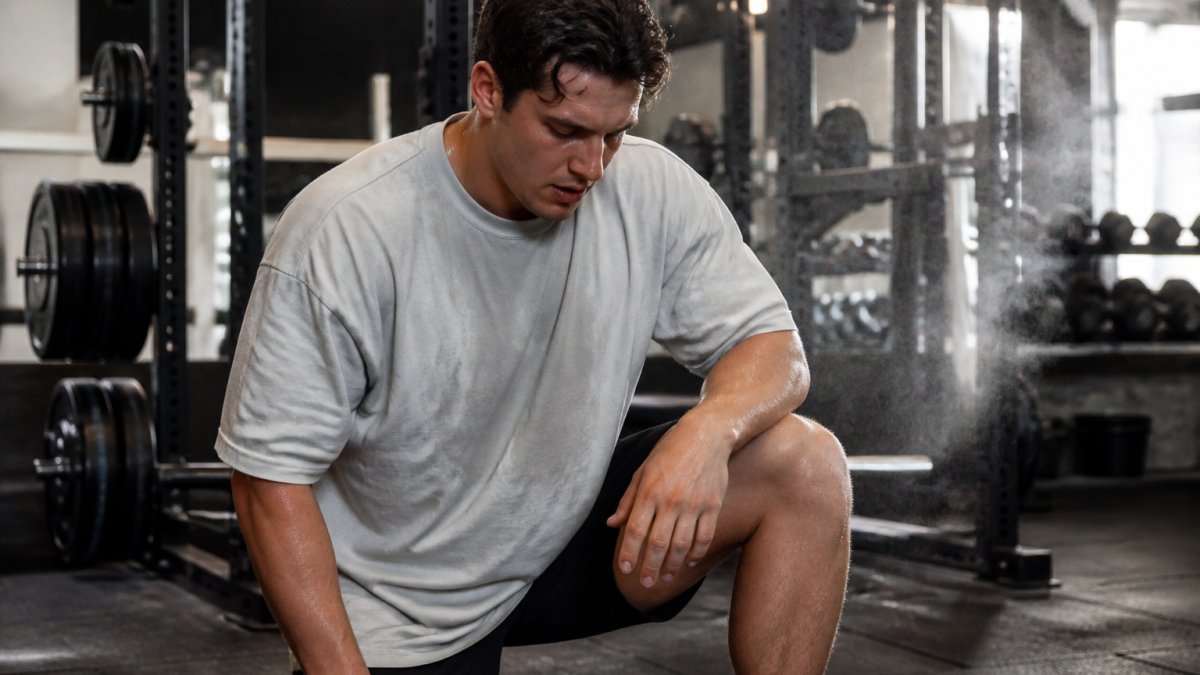
Where it differs from synthetics is drying speed. Cotton absorbs moisture rather than pushing it away, so a pure cotton tee worn through a long, high-sweat session feels heavier by the end.
Breathability and Moisture Management
Breathability is about air moving through the weave, and cotton's natural fibre structure allows that. For lifting, functional fitness, and everyday training, that airflow keeps you cooler than a tight synthetic layer that traps heat.
A common mistake is treating "moisture-wicking" as the only measure of a good training fabric. Wicking moves sweat to the surface fast; breathability keeps air circulating.
Cotton fibres are hollow and absorb water into the fibre itself, so cotton holds moisture rather than shedding it. Synthetics are hydrophobic, pushing liquid along the surface to evaporate.
Matching the Garment to the Workout
Different sessions reward different fabric behaviour:
- Heavy lifting and powerlifting: low sweat rate, long rests, chalk and bar contact. A heavier cotton or cotton-dominant tee holds shape, resists abrasion, and stays comfortable between sets.
- Functional fitness and circuit training: moderate to high sweat, lots of movement. A cotton-dominant blend with a little elastane or Lycra keeps its fit through repeated bending and reaching without riding up.
- Hot yoga and pilates: high sweat, high skin contact, low impact. Breathability and softness matter more than drying speed, so a cotton-bamboo blend works well, though it feels damp by the end of a hot class.
- Running and long-duration cardio: sustained high sweat. Cotton is genuinely the weaker choice here; a technical synthetic or wool blend handles moisture better.
- Gym-to-street and everyday training: where most buyers actually live. A cotton-dominant blend gives comfort, breathability, and a fit that does not look like activewear, a real advantage over a shiny synthetic tee.
Durability Through Repeated Washes
Cotton's durability depends heavily on fibre length and finishing. Longer staple fibres resist pilling and thinning through repeated washes far better than short-fibre cotton.
Washing method matters as much as the fibre. Hot water, harsh detergent, and a hot tumble dry break down any cotton garment quickly. Cool water and air drying keep the structure intact.
There is also a trade-off between softness and longevity.
Organic Cotton vs Regular Cotton: What Actually Changes
The difference between organic cotton and regular cotton is how the crop is grown, not how the finished fabric looks. Both produce soft, breathable cotton. Only one avoids synthetic pesticides and chemical fertilizers during cultivation.
That distinction drives chemical residues, soil condition, water quality, and the working conditions of the people growing it.
Chemical Residues and Skin Contact
For sensitive or easily irritated skin, residue is the practical concern. Conventional cotton can carry traces of chemicals applied during growing and processing, and those residues sit against your skin all day.
Organic cotton is grown and processed without those synthetic inputs, making it the better choice for people who react to standard fabrics. If your skin flares up after training, test the fibre before blaming your detergent.
Soil, Water and Farming Communities
Organic farming builds soil fertility rather than depleting it, and supports biodiversity in and around the fields. Reduced reliance on synthetic pesticides also lowers chemical exposure for the farmers applying them, a worker-safety issue as much as an environmental one.
Water pollution is the other side. Runoff from heavily treated fields carries chemicals into waterways; organic cultivation reduces that load, which is why sustainable agriculture advocates treat it as a systems issue rather than a niche preference.
Black & Silver Unisex Oversized T-Shirt →
Breathable Workout Clothes: Why Fabric Blend Matters More Than Fibre Alone
The best breathable workout clothes combine fibres rather than relying on one. A well-built blend gives cotton's comfort and airflow with enough stretch and recovery to survive real training.
Most buyers shop by fibre name alone, ignore the blend ratio, then wonder why a garment loses its shape after a month.
- Pure cotton: maximum breathability and softness, minimal stretch, slower drying
- Cotton-dominant blends: comfort with improved recovery and shape retention
- Synthetic-dominant blends: fast drying, but often less breathable and more prone to odour retention
- Stretch additions: a small percentage of elastane or Lycra keeps the fit through repeated wear
At Shred Cartel, our apparel is built on a premium organic fabric blend of 67% bamboo, 28% cotton, and 5% Lycra.
How to Wash Organic Cotton Clothes So They Last Years
Wash organic cotton in cold water on a gentle cycle, use a mild detergent, and air dry wherever possible. These three habits do more for garment lifespan than any fabric upgrade.
The enemy of cotton is heat and agitation. Both break down fibres, fade dye, and shrink the weave over time. A simple routine keeps the fabric soft and the fit intact.
- Turn garments inside out before washing to protect the surface
- Use cold water, never hot
- Choose a gentle or delicate cycle
- Skip fabric softener, which coats the fibres and reduces breathability
- Air dry flat or on a line, away from direct harsh sun
- If you must tumble dry, use the lowest heat setting and remove while slightly damp
- Wash with similar colours to limit dye transfer
- Treat stains promptly rather than washing repeatedly at high heat
A common mistake is over-washing. Training gear does not need a hot wash after every session.
Certification and Price: How to Tell Real Organic Cotton From Marketing
Anyone can print "organic" on a label. Verifying the claim means looking for certification from an independent body that audits the supply chain, not a brand's own assurance. This is the single biggest gap in most organic cotton content, and it is the difference between buying a verified fibre and buying a story.
What Certification Actually Covers
The best-known international standard is GOTS (Global Organic Textile Standard). It is worth understanding what it does and does not cover, because the scope is where most confusion lives.
- Organic fibre content: GOTS requires a minimum percentage of certified organic fibre in the garment, and the label must state the grade. A garment can be labelled "organic" under GOTS only if it meets the fibre threshold, so the grade tells you how much of the fabric is actually certified organic.
- Processing and chemical inputs: GOTS restricts a list of chemicals used in processing, dyeing, and finishing, which is why it is a textile standard rather than a farming standard alone.
- Social criteria: It includes requirements around working conditions in the supply chain, which is why it is often cited alongside fair-labour concerns.
- Chain of custody: The certification follows the fibre from farm through processing to the finished garment, which is what separates a verified claim from a self-declared one.
The practical takeaway is that "certified organic fibre" and "certified organic finished garment" are not the same claim. A brand can use certified organic cotton and still produce a garment that is not certified to a textile standard, because the processing stage sits outside the fibre certification. If a brand only says "made with organic cotton," ask which stage is certified.
How to Check a Claim Before You Buy
A short, repeatable check beats trusting a hangtag:
- Look for a named certification and a licence or certificate number, not just the word "organic"
- Check the fibre percentages on the care label, because a cotton-dominant claim can still hide a synthetic majority
- Ask the brand which certification applies and to which stage of production
- Treat vague phrases like "organic blend" or "eco-cotton" as unverified until a standard is named
- Remember that certification covers the fibre and processing, not the fit, durability, or performance of the finished garment
In Australia, consumer law also constrains what a business can claim. The Australian Competition and Consumer Commission (ACCC) publishes guidance on country of origin and product claims, and businesses must not make false or misleading representations about the goods they sell. That is a useful backstop, but it does not replace checking the certification itself. For guidance on textile labelling and consumer claims, the ACCC guidance on country of origin and product claims explains what businesses can and cannot state on a label.
The Price Trade-Off, Honestly
Price is the honest trade-off. Organic cotton costs more to produce because yields are typically lower and certification carries administrative cost. You will pay more for a verified organic garment, and the return is durability, comfort, and a supply chain you can actually trace.
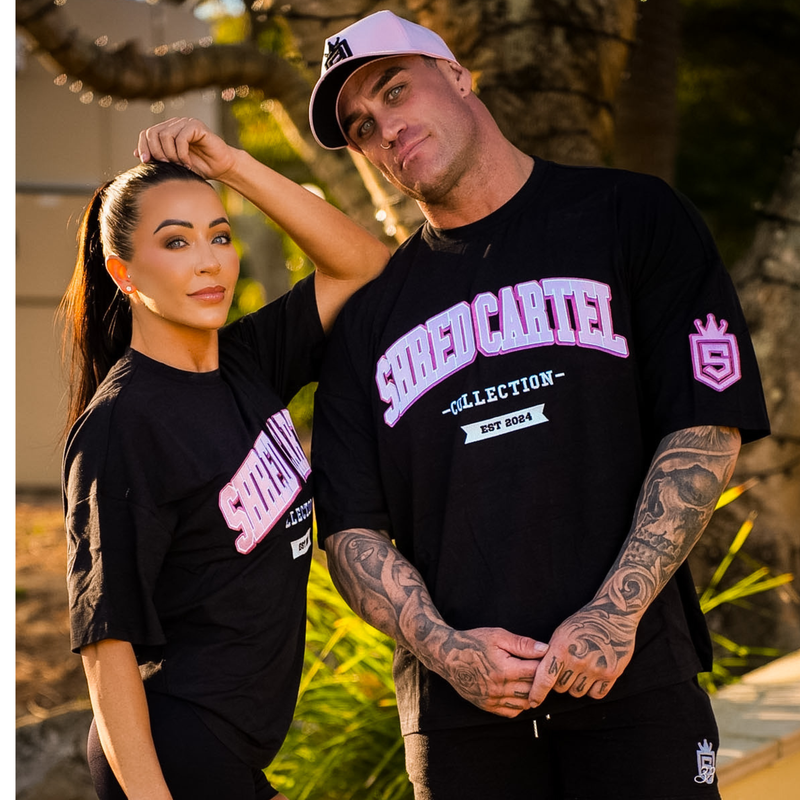
That is also why buying fewer, better pieces beats buying cheap gear repeatedly. The Black & Silver Unisex Oversized T-Shirt at $100.00 is a good example of the approach: a premium breathable fabric, durable stitching, and a relaxed oversized fit that works for the gym, the street, and everything between.

When you are comparing options, weigh four things rather than price alone: the named certification, the fibre blend ratio, the weight and construction of the knit, and the care instructions. A cheaper garment that pills after ten washes is not cheaper than one that lasts three years.
Frequently Asked Questions
Is organic cotton good for the gym?
Yes, particularly for low to moderate intensity training and everyday gym wear. Organic cotton breathes well, feels soft against skin and avoids the chemical residues left on conventionally grown cotton. It absorbs sweat rather than wicking it away, so it suits lifting sessions, warm-ups and casual training. For high-sweat cardio, look for a blend that adds stretch and faster drying, such as bamboo, cotton and Lycra.
What is the difference between organic and regular cotton?
The main difference is how the crop is grown. Organic cotton is cultivated without synthetic pesticides, chemical fertilisers or genetically modified seeds, and it is processed through a certified supply chain. Regular cotton typically relies on all three. That changes what ends up in the soil, the water and the air around farms, and it can leave chemical residues on the finished fabric that sits against your skin.
How should you wash organic cotton clothes?
Wash in cold water on a gentle cycle with a mild detergent, and turn garments inside out to protect the surface. Skip fabric softener, which coats the fibres and reduces breathability. Air dry where you can, or use a low heat setting. Wash similar colours together and avoid overloading the machine. Treated this way, organic cotton holds its shape and softness far longer than a hot wash cycle allows.
Is organic cotton breathable enough for training?
Organic cotton is naturally breathable because its fibres allow air to move through the fabric. That airflow helps regulate temperature during lifting, functional fitness and everyday wear. The catch is moisture: cotton holds sweat rather than pushing it away. A blend with added stretch and a faster-drying fibre gives you the breathability of cotton with better sweat handling for intense sessions.