


Table of Contents
- Performance Apparel for Heavy Lifting: What Actually Matters
- Quick Comparison: Shred Cartel Lifting Gear
- Best Fabric for Workout Clothes: Bamboo, Cotton and Lycra Blends
- Shorts That Stay Put Through Squats and Deadlifts
- Gym Shirt Pilling Prevention: Stop the Fuzz Before It Starts
- How to Care for Gym Clothes So They Last Years
- Fit, Sizing and Layering for Heavy Lifting Sessions
- Frequently Asked Questions
Last Updated: October 9, 2026
Performance Apparel for Heavy Lifting: What Actually Matters
Performance apparel for heavy lifting is clothing engineered to move with you under load, manage sweat, and hold its shape through repeated sessions. Most gym wear fails at one of those three jobs.
The fabric blend, the fit, and how you wash it matter more than the logo on the waistband. Below: which fabrics hold up, which cuts stay put through squats and deadlifts, and how to stop pilling before it starts.
The three jobs your lifting gear has to do
Range of motion comes first. A heavy squat or deadlift pushes fabric through its full stretch cycle every rep. If the material can't recover, it bags out at the knees and shoulders.
Moisture handling comes second. Sweat against skin causes chafing on high-rep sets and leaves fabric stiff once dry.
Shape retention is the one people ignore until it's too late.
Quick Comparison: Shred Cartel Lifting Gear
Every piece below uses the same core fabric philosophy: a premium organic blend of 67% bamboo, 28% cotton and 5% Lycra or Elastane, soft, breathable and stretchy enough for heavy sets.
| Product | Price | Fabric | Best For |
|---|---|---|---|
| Base Shorts - Black | $59.99 | 67% bamboo, 28% cotton, 5% Lycra | Squats, deadlifts, all-day wear |
| Iconic Singlet | $69.99 | 67% bamboo, 28% cotton, 5% Elastane | Heavy upper-body sessions, summer training |
| Oversize T-Shirt - White | $100.00 | 280 GSM bamboo blend | Pump covers, layering, street wear |
| Oversize T-Shirt - Black | $100.00 | 280 GSM bamboo blend | Everyday training and casual wear |
| Black & Silver Oversized T-Shirt | $100.00 | Breathable organic blend | Gym-to-street transitions |
| Oversize T-Shirt - Charcoal | $100.00 | 280 GSM bamboo blend | Neutral everyday rotation |
The Base Shorts are our pick for anyone starting out: squat-proof, no ride-up, and at $59.99 they cost less than most single-purpose training shorts.


Best Fabric for Workout Clothes: Bamboo, Cotton and Lycra Blends
Bamboo blended with cotton and a small percentage of Lycra or Elastane is the best fabric for workout clothes that need to stretch, breathe and recover. Bamboo brings softness and airflow. Cotton adds structure and weight.
Pure cotton clings, dries slowly and loses shape once wet. Pure polyester wicks sweat but traps odour and feels slick. The blend solves both.
How to test a garment before you trust it
Most product pages describe fabric in adjectives. You can verify the claims yourself in about two minutes.
- Stretch recovery. Pull the fabric across the thigh or shoulder to roughly double its resting width, hold five seconds, release. A good blend snaps back flat within a second or two; ghosting after ten seconds means it will bag at the knees and shoulders.
- Abrasion resistance. Rub the fabric against itself or a rough seam twenty times, then hold it to the light. Surface fuzz or lifted fibres mean it will pill where a belt, bar or bench contacts it; heavier knits resist better.
- Seam strength. Tug the crotch gusset and shoulder seams perpendicular to the stitch line. A flatlock or coverstitch seam should stay flat and not gap; light through the stitch holes means it will fail under load.
What to look for on the label
- A defined blend ratio. Vague labels like "premium blend" tell you nothing; look for stated percentages.
- Certified organic sourcing. Verifiable, and it matters for skin contact during heavy sweating.
- Stated GSM. If the brand doesn't publish fabric weight, ask, it's one of the few specs that predicts how a garment ages.
Exercise-by-exercise fabric priorities
The same blend behaves differently depending on the lift, so match fabric to movement.
- Squats. Four-way stretch and recovery in the thigh and hip; fabric that doesn't snap back bunches in the crease at the bottom of the hole.
- Deadlifts. Abrasion resistance where the bar brushes the shin and where a belt sits; smooth, dense knits beat loose, fuzzy ones.
- Bench press. A flat back panel and low-friction fabric so you can set your arch without the shirt dragging.
Shorts That Stay Put Through Squats and Deadlifts
The best shorts for squats and deadlifts are fitted, short enough to clear the knee, and cut from a stretch blend that grips the thigh without binding.
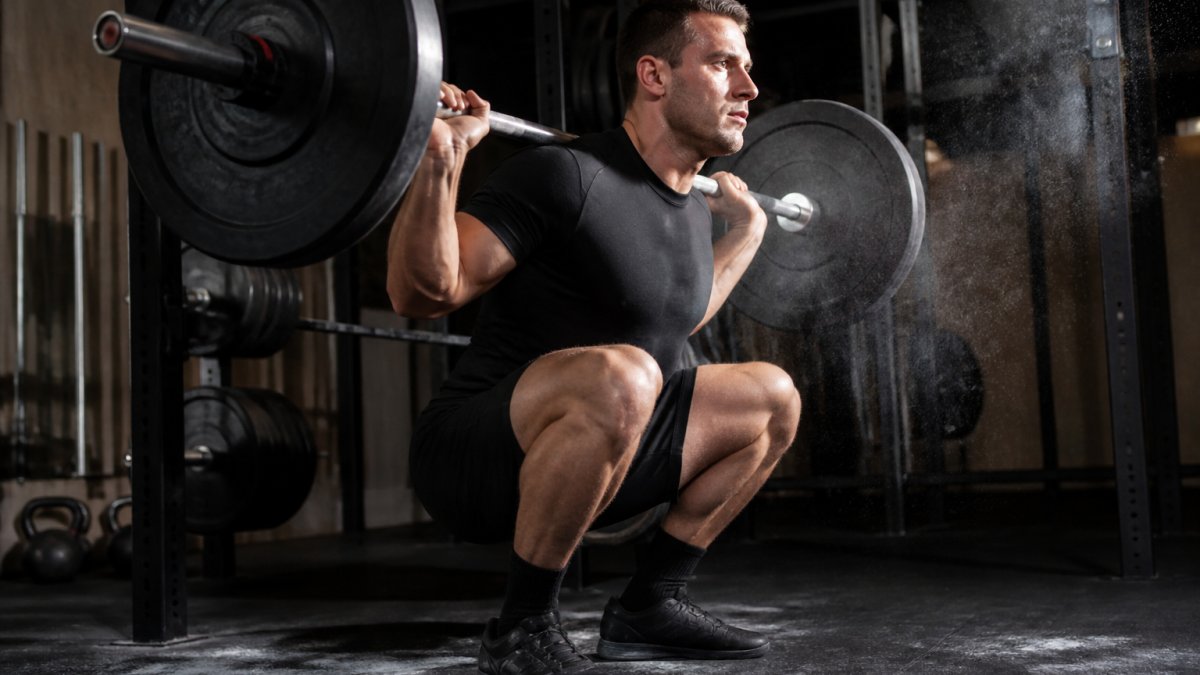
Our Base Shorts run a 5-inch length that sits snug against the thigh.
What to check on any pair:
- Inseam length. Five inches suits most lifters. Longer inseams catch on the knee.
- Waistband grip. A flat, wide waistband stays put when you brace.
- Seam placement. Flatlock or offset seams reduce chafing on high-rep work.
- Stretch direction. Four-way stretch is non-negotiable for deep squats.
Where these fall short: if you prefer a loose, baggy short for leg day, this cut will feel tighter than you're used to.
Gym Shirt Pilling Prevention: Stop the Fuzz Before It Starts
Gym shirt pilling prevention comes down to three things: fabric quality, friction management, and washing habits. Pilling happens when short fibres work loose from the surface and tangle into little balls; longer, stronger fibres resist far better.
A common mistake is blaming the shirt when the wash cycle is the culprit, heat and agitation break fibres down.
How to prevent it:
Shred Cartel Base Shorts – Black →
- Wash cold. Heat weakens fibres and accelerates pilling.
- Turn garments inside out. This puts the friction on the inside face, not the visible surface.
- Skip the dryer. Air dry where you can. If you must tumble, use low heat.
- Separate rough fabrics. Zips, velcro and heavy canvas abrade knit surfaces in the drum.
Fabric weight helps too. Our oversized tees use that weight because it holds up to repeated washing and drying without shrinking or fuzzing.
How to Care for Gym Clothes So They Last Years
Knowing how to care for gym clothes is the difference between replacing gear every six months and keeping it for years. The rules are simple and cost nothing but attention.
- Wash cold on a gentle cycle, never hot
- Turn prints and embroidery inside out before washing
- Use half the detergent you think you need
- Skip fabric softener, which coats fibres and traps odour
Cost per wear is the metric that matters.
Shrink resistance matters here too. Our oversized tees are built to resist shrinking, even after machine washing and drying, so the fit you buy is the fit you keep.
Fit, Sizing and Layering for Heavy Lifting Sessions
Fit is where most lifters get it wrong. Fitted clothing supports movement and shows your positioning; oversized clothing gives freedom and doubles as a pump cover.
Fitted and compression styles sit close to the body, reducing fabric catching on equipment and making it easier to check your setup in a mirror.
Oversized tees hang loose through the torso and shoulders, built for warm-up sets, upper-body days and the walk to and from the gym.
Safety and equipment compatibility
Loose fabric near a loaded bar is a real hazard, not a style preference. Practical rules:
- Keep hems clear of the bar path. Baggy shorts past mid-thigh can catch on the bar during a deadlift setup or brush the knee in a squat; fitted or five-inch shorts remove that risk.
- Check belt compatibility. A bulky, folded waistband can dig in or shift a thick belt; flat, wide waistbands sit under a belt more predictably.
- Mind grip and bar contact. Loose sleeves bunch under the armpit during a bench press and alter your setup; fitted sleeves keep the shoulder free.
- Avoid dangling drawstrings and long zips. Anything that can snag a rack, bar or spotter's hand is a problem during a heavy set.
Inclusive sizing and fit across body types
The same blend behaves differently across body types, so size for the measurement that matters most for your lift.
- Larger thighs or glutes. Size for the thigh and adjust the waist, not the reverse; a waistband that fits but a thigh that binds will ride up during squats.
- Longer torso or legs. Check the inseam against your squat depth and shirt length against your overhead reach. A tee that rides up during an overhead press is too short, whatever the label says.
- Between sizes. In a hot gym, size down for a fitted feel or stay true to size for airflow; in a cold gym where you layer, size up so the base layer doesn't bunch.
- Broader shoulders or chest. Look for drop-shoulder or raglan cuts, which give room through the shoulder without pulling at the armpit.
Layering for temperature and environment
Layering is about managing heat, not fashion. Start with a singlet or fitted tee against the skin, add an oversized tee or hoodie for warm-ups, and strip it off before your working sets.
- Hot gyms. A single breathable layer, light colour, quick-drying fabric; remove outer layers before your first working set.
- Cold gyms. A base layer plus a mid layer, with the mid layer removed before heavy sets so it doesn't restrict movement or trap heat.
- Outdoor training. Add a wind-resistant outer layer for rest periods and remove it for working sets; watch for loose fabric catching on equipment.
- Warm-ups. Keep the outer layer on between sets and remove it before you lift, keeping muscles warm without overheating during the set.
Our Iconic Singlet is the base layer we'd pick for heavy sessions: lightweight, breathable and cut with a stretch fit that moves without restriction.
Care, longevity and cost per wear
Fit and fabric only pay off if the garment survives. Wash cold, turn prints inside out, skip fabric softener, and air dry where you can. Cost per wear is the metric that matters: a $100 tee worn twice a week for two years costs about a dollar a wear, while a $40 tee that pills in three months costs far more.
Frequently Asked Questions
What is the best clothing to wear for weightlifting?
Look for apparel that moves with you, not against you. Shorts should be squat-proof and stay in place, tees should be lightweight and breathable, and singlets work well for unrestricted shoulder movement. Fabric matters most: a bamboo-cotton-Lycra blend gives four-way stretch and sweat management without clinging. Shred Cartel's Base Shorts ($59.99) and Iconic Singlet ($69.99) are built around these principles for heavy lifting sessions.
How do you prevent gym shirts from pilling?
Pilling starts when friction pulls loose fibres to the surface. Wash gym shirts inside out in cold water, avoid fabric softener, and skip the dryer where possible. Air-drying flat preserves the fabric structure and reduces the friction that causes pills. Rotating between several shirts also spreads wear. A 280 GSM bamboo-cotton-Lycra tee resists pilling better than thin synthetics because the fibres are denser and less prone to breaking.
Are cotton or synthetic shirts better for heavy lifting?
Both have trade-offs. Cotton feels soft but holds sweat and dries slowly. Synthetics wick moisture but can trap odour and pill over time. Blended fabrics sit in the middle: Shred Cartel's 67% bamboo, 28% cotton, 5% Lycra blend gives breathability with stretch and sweat-friendly drying. For heavy lifting, a blend usually outperforms either extreme because it balances comfort, moisture handling and durability.
How should a lifting shirt fit?
It should allow full range of motion without excess fabric that catches on bars or benches. Fitted styles work for compound lifts where you want zero distraction. Oversized tees suit pump covers and casual wear but can bunch during deadlifts. Shred Cartel recommends sizing down one from your regular fit on oversized tees because the drop-shoulder cut runs generous. The key is no binding across the chest or shoulders when you press overhead.
How should you wash workout clothes to make them last longer?
Turn garments inside out, use cold water on a gentle cycle, and avoid fabric softener because it coats fibres and reduces breathability. Hang or lay flat to dry rather than tumble drying, which breaks down stretch fibres over time. Wash similar fabrics together to reduce abrasion. Following these steps with a bamboo-blend tee or singlet keeps shape retention and sweat management working for years, not months.