


Last Updated: November 5, 2026
Quick Summary
Yes, you can wear a snapback for running, and plenty of Australian runners do. It works well for short, moderate runs in mild weather, but it has limits once the heat builds or the run gets long. A purpose-built running cap is the better choice for longer or hotter sessions.
- Snapbacks suit short easy runs, roughly under 30 minutes.
- Dense snapback crowns trap heat, so they struggle on hot or humid days.
- A stiff brim can bounce on uneven ground or downhill sections.
- Tighten the snap closure to a secure fit, avoiding over-tightening that causes headaches.
- Keep a breathable running cap for long or hot sessions and a snapback for shorter runs.
Table of Contents
- Can You Actually Wear a Snapback for Running?
- The Real Benefits of Wearing a Hat When You Run
- Where a Snapback Falls Short: Heat, Bounce and Fit
- Running Cap vs Snapback: Which Should You Choose?
- What to Look for in a Breathable Running Hat
- How to Wash a Snapback Without Ruining the Shape
- Choosing Your Next Hat for Training Runs
- Frequently Asked Questions
Yes, you can wear a snapback for running, and plenty of Australian runners do. The honest answer is that a snapback works well for short, moderate runs in mild weather, but it has real limits once the heat builds or the run gets long. This guide covers when a snapback makes sense, where it falls short, and how to choose the right hat for your training.
A snapback is a flat or structured cap with an adjustable plastic snap closure at the back. Most snapbacks are built for everyday wear and styling rather than sustained aerobic effort. That difference matters when you are sweating hard for 45 minutes.
Quick answer:
- Yes for short runs, light sun and mild temperatures
- Less ideal for long runs, heavy heat or high humidity
- Choose a breathable, sweat-resistant hat if you run often
Can You Actually Wear a Snapback for Running?
Yes, but the useful answer is conditional, not a flat yes. A standard snapback is suitable for running when four things line up: the run is short, the weather is mild, the cap fits securely, and the fabric can handle sweat. When any of those slip, a purpose-built running cap is the better tool.
A snapback is a flat or structured cap with an adjustable plastic snap closure at the back. Most are built for everyday wear and styling rather than sustained aerobic effort, and that difference shows up in three places: the crown holds heat, the brim catches wind, and the closure can loosen on sweaty skin.
When a snapback works well:
- Short easy runs, roughly under 30 minutes, where heat build-up stays low.
- Mild temperatures and low humidity, when the crown has less trapped warmth to manage.
- Cooler months, when a structured crown actually helps retain warmth.
- Runs where you want one hat for the session and the trip home afterwards.
When it stops working:
- Long runs, where trapped heat and sweat accumulate over time.
- Hot or humid conditions, where breathability matters more than structure.
- Tempo or interval sessions, where bounce and pressure points become distracting.
- Wet weather, where a cotton or heavy crown soaks through and stays heavy.
A common pattern is that runners start with a snapback, notice it shifting or feeling hot around the 30-minute mark, and then add a lightweight running cap for longer sessions. That is a sensible two-hat setup rather than a failure of the snapback.
Watch out: a stiff, heavy cap on a long run traps heat and the brim can catch wind, so if you feel warmth building behind the forehead early, treat that as your cue to switch to a breathable cap rather than pushing through.
The Real Benefits of Wearing a Hat When You Run
A hat does more than hide a bad hair day. The main benefits are simple:
- Sun protection: The brim shades your face, eyes and scalp from UV rays.
- Sweat control: The band and brim keep sweat from dripping into your eyes.
- Focus: Less squinting means a clearer view of the path ahead.
- Visibility and style: A hat shows up well on a bright or busy path.
Shade matters most in strong summer sun. For a runner who trains outdoors, a hat is often the simplest form of sun protection available.
Where a Snapback Falls Short: Heat, Bounce and Fit
Snapbacks have three weak points for running. Knowing the mechanism behind each one helps you decide whether to adjust the hat or switch it.

Heat retention. Many snapbacks use a dense, structured crown with little or no mesh. That construction blocks airflow, so heat and moisture stay close to the scalp instead of escaping. On a hot or humid day the effect compounds: sweat cannot evaporate, the band saturates, and the head feels warmer than the air around it. A breathable running cap with mesh panels moves air through the crown and dries faster.
Bounce. A flat brim and stiff crown add weight and surface area at the front of the head. With each stride, that mass can bob independently of your head, especially on uneven ground or downhill sections. Over several kilometres the movement becomes distracting and can rub at the forehead. A snug, lightweight fit reduces it, but a lighter cap removes most of the cause.
Fit. A snapback sits on the head differently from a fitted or elastic running cap. The plastic snap closure gives discrete adjustment steps rather than continuous tension, so it is easy to end up between sizes, loose enough to slide on sweaty skin, or tight enough to leave a pressure point. A moisture-wicking band helps grip, but the closure itself is the limiting factor.
How to Keep a Hat on While Running
Keeping a snapback in place takes a few deliberate adjustments:
Shred Cartel Elite Series 1 Snapback in Black →
- Tighten the snap closure until the hat sits firmly without pinching, then shake your head side to side and nod firmly. If it shifts more than a centimetre, go one snap tighter.
- Pull the hat slightly lower at the back so the band sits below the widest part of the skull, which gives the closure more to grip.
- Choose a hat with a moisture-wicking band to reduce slipping as sweat builds.
- Run with the brim facing forward rather than tilted, which reduces wind lift and keeps the centre of mass balanced.
- Check pressure points before you set off: run two fingers under the band at the forehead and temples. If either spot feels tight now, it will feel worse at kilometre five.
Watch out: over-tightening to stop bounce is the most common mistake, it trades a shifting hat for a headache and a red band across the forehead, so adjust for secure-but-comfortable rather than locked-down.
Matching the Hat to the Run
The right call depends on distance and conditions more than on style:
- Short easy runs in mild weather: a well-fitted snapback is fine; check the closure and pressure points before you leave.
- Long runs: heat and sweat accumulate, so a lightweight, moisture-wicking cap with mesh is the safer choice.
- Hot or humid conditions: prioritise breathability and a wicking band over structure; a dense crown works against you here.
- Cooler months: the heat retention that hurts in summer becomes an advantage, and a snapback can be a reasonable choice for easy winter runs.
A well-fitted snapback should feel secure without giving you a headache. If it cannot pass the shake test without over-tightening, that is your signal to use a running-specific cap for that session.
Running Cap vs Snapback: Which Should You Choose?
The right choice depends on how and where you run.
| Feature | Snapback | Running cap |
|---|---|---|
| Best for | Short runs, casual training, everyday wear | Long runs, hot weather, serious training |
| Breathability | Varies by design | Usually high, with mesh panels |
| Fit | Adjustable snap closure | Often elastic or fitted |
| Bounce | Can bounce on uneven ground | Usually minimal |
| Style | Streetwear look | Sporty, functional look |
Choose a snapback if: you run short distances, want a hat that works off the track, and value style.
Choose a running cap if: you train for long distances, run in heat, or find a snapback bounces too much.
What to Look for in a Breathable Running Hat
If you want a hat that handles running well, check these points:
- Breathable fabric: Look for lightweight, sweat-resistant materials.
- Ventilation: Mesh panels or vents move heat away from the scalp.
- Moisture management: A band that absorbs or wicks sweat keeps it off your forehead.
- Secure fit: An adjustable closure or elastic band keeps the hat in place.
- Weight: A lighter hat feels less heavy over a long session.
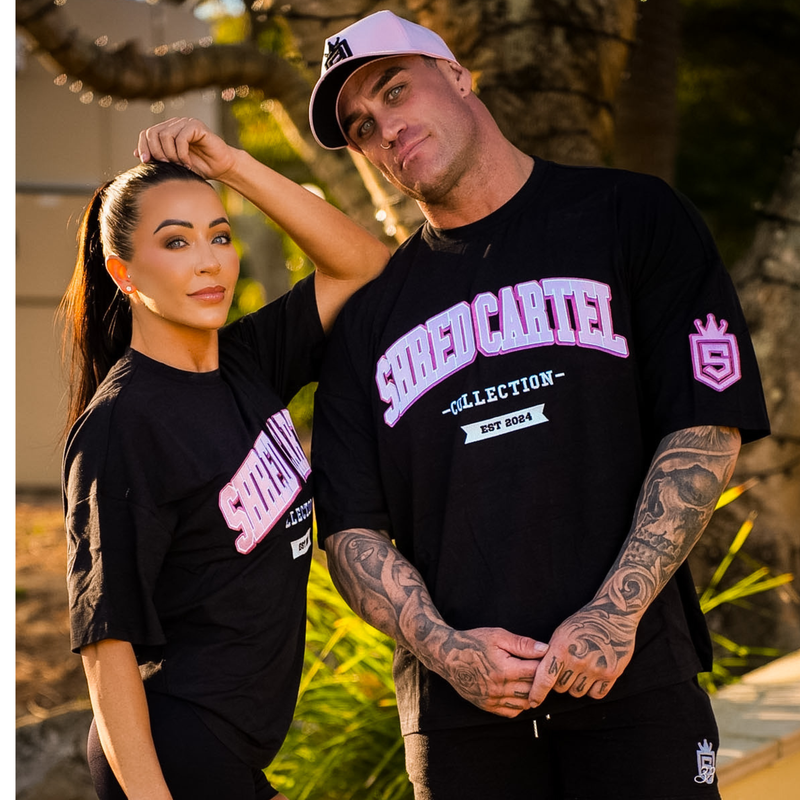
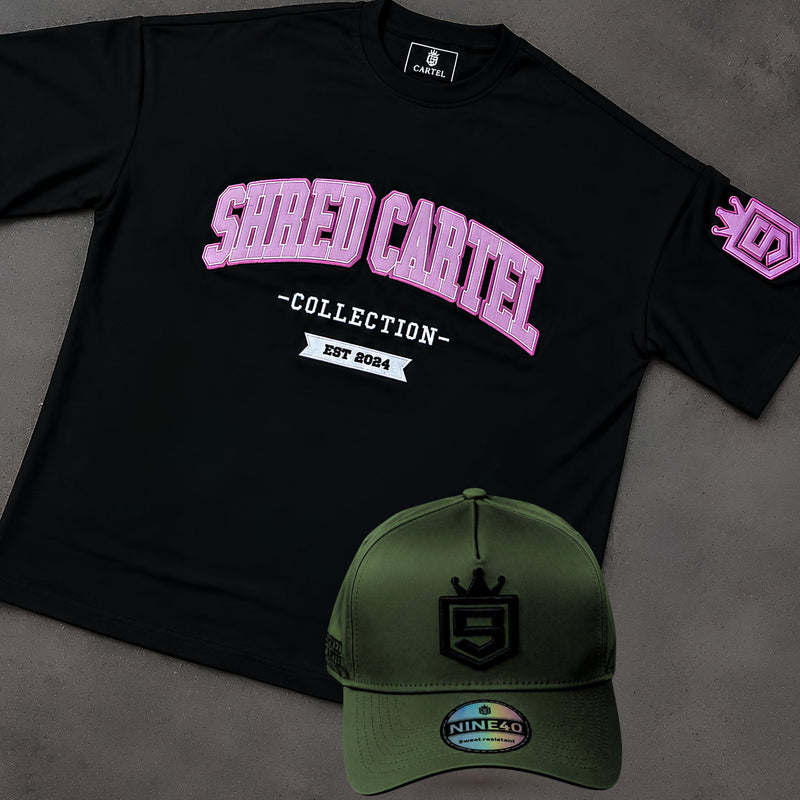
The Shred Cartel Elite Series 1 Snapback in Black is built with sweat-resistant material and a structured fit, and it suits short to moderate training. For sustained running in heat, pair your snapback with a breathable running cap.
How to Wash a Snapback Without Ruining the Shape
Sweat and salt break down a cap over time. Good care keeps the shape and the colour.
- Spot clean first: Use mild soap and cool water on sweat marks.
- Hand wash when possible: Avoid hot water, which can warp the brim.
- Air dry: Keep the hat out of direct sunlight and away from heaters.
- Reshape gently: Place the hat on a clean bowl or form while damp to keep the crown and brim firm.
Avoid tumble drying. Heat can soften the structure and fade the embroidery.
Choosing Your Next Hat for Training Runs
If you run regularly, consider keeping two hats: a breathable running cap for long or hot sessions, and a snapback for shorter runs and everyday wear. Our Elite Series 1 Snapback in Black, at $55.00, is a strong pick for the snapback side of that setup. It suits short runs, gym sessions and everyday wear.
For a wider look at sweat-resistant options, browse our Sweat Resistant Hats range, or read our breathable gym wear guide for tips on staying dry through hard training. To see how breathable caps compare, check out our breathable workout caps. You can also explore the benefits of organic performance wear if fabric choice matters to you.
Our Elite Series 1 Snapback in Black is ready to add to your training kit: shop the Elite Series 1 snapback.

Frequently Asked Questions
Can you wear a snapback while running?
Yes, you can wear a snapback while running, and many runners do for short sessions in the sun. The flat, structured brim shades the eyes and the adjustable closure lets you tune the fit. The trade-offs are that a structured crown traps more heat than a mesh or unstructured cap, and the rigid brim can bounce on uneven ground or at faster paces. For easy runs of under an hour, a snapback is workable. For long runs or hot days, a purpose-built breathable running cap usually feels better.
Will a snapback stay on while running?
A snapback stays on reasonably well when it is sized correctly and the plastic snap closure is tightened to a snug fit. Problems usually come from a loose fit at the back, a crown that is too shallow for your head, or a brim that catches air at speed. Tightening the closure one notch and wearing the cap slightly lower on the forehead often solves bounce. If it still moves, a hat with a hook-and-loop strap or a lighter, unstructured design may hold better during repeated head movement.
Do snapbacks get too hot for running?
Snapbacks can run hot because the structured crown and thicker panels create a layer of insulation over the head. This matters most in humid Australian summers and on long efforts where sweat builds up. A snapback made from lightweight, breathable fabric will feel noticeably cooler than a dense cotton cap. If you run in heat regularly, look for a breathable, quick-drying design rather than a heavy structured crown.
How should you clean a sweaty snapback?
Hand wash your snapback in cool water with a mild detergent, gently working the sweatband and brim, then air dry it on a towel with the crown supported so it keeps its shape. Avoid the dryer and avoid soaking it for long periods. Rinse out salt residue, since it stiffens fabric and irritates the skin. Washing after every sweaty session helps prevent odour and keeps the structured crown from losing its form over time.
