


Table of Contents
- Why Heavy Sweaters Need Different Gym Gear
- Moisture-Wicking Gym Clothes: How Moisture Transport Works
- The Best Fabric for Excessive Sweating: Natural, Synthetic or Blend
- How to Stop Sweat Marks on Gym Gear
- Breathable Gym Wear That Handles the Grind
- Layering, Fit and Care for High-Sweat Sessions
- Conclusion
- Frequently Asked Questions
Last Updated: September 23, 2026
Why Heavy Sweaters Need Different Gym Gear
If you sweat more than the person on the next bench, standard cotton tees and cheap polyesters work against you. Heavy sweaters need breathable gym wear engineered for moisture transport, not just softness. This guide from Shred Cartel covers the fabric science, fit rules, and care habits that keep you dry.
A soaked cotton shirt clings, chafes, and stays wet for the drive home.
Moisture-Wicking Gym Clothes: How Moisture Transport Works
Moisture-wicking gym clothes move sweat from your skin to the fabric surface, where it evaporates, transporting rather than absorbing it via capillary action between fibres.
Hydrophobic vs Hydrophilic Fibres
Hydrophobic fibres, like polyester and nylon, repel water; hydrophilic fibres, like cotton and bamboo, attract it. The best fabrics combine both: a hydrophobic inner layer pushes sweat outward while a hydrophilic outer layer spreads it for faster evaporation.
Wicking efficiency and Fabric Density
Wicking efficiency describes how quickly a fabric moves moisture across its surface. Fabric density matters just as much. A dense weave traps heat and slows airflow. A lighter, more open knit lets ventilation do its job, which is why lightweight technical apparel outperforms heavier cotton in the same conditions.
The Best Fabric for Excessive Sweating: Natural, Synthetic or Blend
The best fabric for excessive sweating is a blend, not a pure fibre. Pure cotton holds moisture against your skin; pure synthetics wick well but trap odour. A blend balances transport, breathability, and comfort.
Bamboo and Cotton Blends
Bamboo is naturally breathable and soft, and blended with cotton and a little elastane it gains stretch and shape retention, suiting heavy sweaters who want natural fibres without pure cotton's wet cling.
Synthetic Blends and Performance Fabric
Performance fabric built from polyester and elastane dries fastest and dissipates heat well, making it the go-to for high-intensity training. The trade-off is odour control: synthetics need antimicrobial treatments or frequent washing, and those treatments fade over time.
| Fabric Type | Dries Fast? | Breathability | Odour Control | Best For |
|---|---|---|---|---|
| Pure cotton | No | Moderate | Poor when wet | Light activity |
| Bamboo-cotton blend | Moderate | High | Good | Moderate training |
| Synthetic performance | Yes | High | Needs treatment | High-intensity sessions |
| Merino wool | Moderate | High | Excellent | Cooler conditions |
How to Stop Sweat Marks on Gym Gear
Sweat marks aren't one problem, they're two. Most guides treat them as a single issue and hand you the same advice, wear black, wear a pattern, which is why so many heavy sweaters still end up with visible patches and stiff, salt-stained shirts.
Volume Sweaters vs Salt Sweaters
Volume sweaters produce a lot of liquid sweat. Their problem is saturation: fabric goes dark, clings, and drips. Salt sweaters produce less volume but a higher mineral concentration. Their problem is residue: white tide-lines on dark fabric, stiff patches under the arms, and a bleached-out look on cotton after a few months.
Colour and Fit Choices That Hide Patches
Mid-tones and dark greys hide sweat better than light grey, which shows every drop. Black is safest for heavy sweaters, with charcoal and navy close behind. Busy patterns, camo, marl, small prints, break up a patch's outline so it reads as texture rather than moisture.
Post-Workout Skin Health
Trapped moisture isn't just a laundry problem. Sweat left against the skin for the drive home creates conditions for friction-based chafing, blocked pores, and folliculitis, inflamed hair follicles that show as small red bumps on the back, chest, and thighs. Heavy sweaters are more exposed because their skin stays wet longer.
Breathable Gym Wear That Handles the Grind
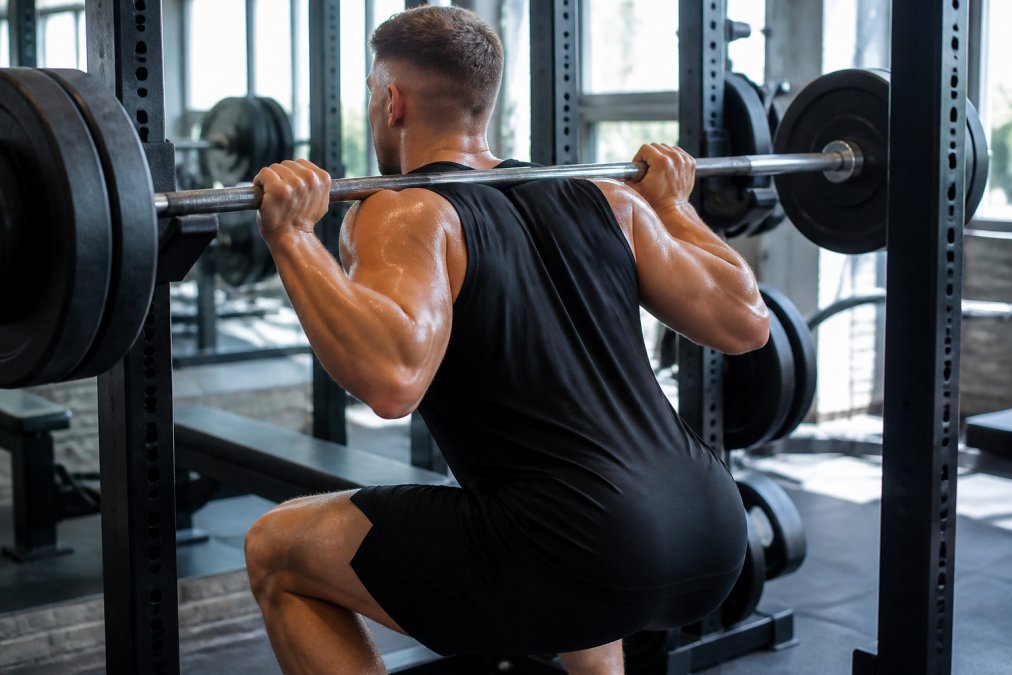
The best breathable gym wear for heavy sweaters pairs a lightweight bamboo blend with a relaxed fit and quick-drying properties. Shred Cartel builds its range around exactly that combination.
Layering, Fit and Care for High-Sweat Sessions
Layering works when each layer has a job. A thin wicking base layer moves sweat off your skin; a looser outer layer adds airflow and hides patches. Skip the heavy mid-layer during high-intensity work, because trapped heat means more sweat, not less.
Layering for Different Conditions
For indoor training in a heated gym, one technical layer is usually enough. A second layer traps warm air, raises skin temperature, and increases sweat rate, the opposite of what a heavy sweater wants. If you run cold between sets, a light unzipped hoodie you can shed after the warm-up beats a mid-layer you keep on.
Fit: The Airflow Gap
Fit follows the same logic as layering. Too tight restricts airflow and shows moisture; too loose bunches under a bar and catches on equipment. Aim for a fit that sits close without compressing, roughly a finger's width of slack at the chest and under the arms.
Care: Keeping Technical Fabric Working
Care keeps technical apparel working, and most people get it wrong in the same three ways.
Sustainable Sweat-Wicking Materials
Most guides stop at standard polyester. The growing alternative is recycled performance fabric, polyester spun from post-consumer plastic, or blends pairing recycled synthetic with natural fibres like bamboo or Tencel lyocell. These wick and dry in the same range as virgin synthetics, and reduce the environmental cost of a garment heavy sweaters replace more often than average.
Conclusion
Managing heavy sweat comes down to fabric choice, fit, and gear care, and most people get at least one wrong. Shred Cartel designs performance apparel around that reality, with a 67% bamboo, 28% cotton, 5% elastane blend that's breathable, sweat-friendly, and built to last through intense training. The range also carries a 4.99-star rating across 144 verified reviews from customers who train hard in it.
Frequently Asked Questions
What are the best gym clothes for sweating heavy?
Look for lightweight, breathable gym wear with a moisture-wicking finish rather than thick cotton. Bamboo-cotton blends move sweat away from the skin and dry faster than plain cotton, while synthetics like polyester and elastane add stretch and quick-drying performance. Fit matters too: a relaxed cut with airflow around the torso lets heat escape, and dark or patterned colours hide sweat patches better than light grey.
What is the best breathable fabric to wear at the gym?
For heavy sweaters, a bamboo-cotton blend with a small amount of elastane is a strong all-rounder. Bamboo fibre is naturally breathable and soft against the skin, cotton adds structure, and elastane gives the four-way stretch you need for lifting. If you train in hot conditions or do high-intensity cardio, a lightweight synthetic blend dries faster and manages moisture well, though it can hold odour more than bamboo.
What material is best for heavy sweaters?
Materials that move moisture rather than soak it up work best. Bamboo, polyester and nylon blends wick sweat to the fabric surface where it evaporates, keeping the skin drier and reducing chafe. Heavier cotton absorbs sweat and holds it, which is why a soaked cotton tee stays wet for the whole session. For gym wear, aim for a fabric weight that is light enough to breathe, and dense enough to hold its shape.
Why am I such a heavy sweater when exercising?
Sweat rate varies widely between people and depends on body size, fitness level, genetics and how hard you are working. Larger bodies generate more heat, and fitter people often sweat sooner because their cooling system responds faster. Training in a hot, humid gym raises sweat output further. None of this is a problem in itself, but it does mean your gear needs to manage moisture rather than simply absorb it.
How do I prevent sweat patches on gym clothes?
Choose dark colours, patterns or charcoal tones that disguise patches, and avoid light grey and pale blue. Wear a breathable base layer that wicks moisture to the surface so it evaporates instead of pooling. Looser fits with airflow under the arms help, and a quick rinse or cold wash straight after training stops salt stains and odour setting into the fabric.
Does breathable gym wear for heavy sweaters cost more?
Not necessarily. A quality singlet or training tee in a bamboo blend sits in the $60-$100 range, which is comparable to mainstream activewear. What you are paying for is fabric weight, stitching quality and how the garment holds its shape after repeated washes. Cheap cotton tees are less expensive up front but often need replacing within a season once they stretch, fade or hold odour.
How should I wash sweat-resistant gym gear?
Cold machine wash with a mild detergent, inside out, and skip the fabric softener, which coats fibres and reduces wicking. Air dry where possible; if you use a dryer, keep it on low. Wash gym wear separately from heavy workwear to avoid abrasion, and never leave damp gear in a bag overnight, as odour-causing bacteria multiply quickly in warm, moist fabric.
If sweat patches and clammy fabric are ruining your sessions, the fix starts with what you're wearing. Browse the Shred Cartel collection and gear up with breathable, sweat-resistant pieces designed for the grind.