


Table of Contents
- Organic vs Synthetic Gym Fabrics: The Quick Comparison
- Breathability of Synthetic vs Organic Fabrics
- Benefits of Organic Cotton Activewear
- Environmental Impact: Microplastics, Biodegradability and Textile Waste
- How to Wash Organic Gym Clothes
- Choosing Gym Fabrics for Your Training Style
- Frequently Asked Questions
Last Updated: September 14, 2026
Organic vs Synthetic Gym Fabrics: The Quick Comparison
Organic gym fabrics are plant-based textiles such as cotton, bamboo and hemp, grown without synthetic pesticides. Synthetic gym fabrics are petroleum-based textiles like polyester, nylon and elastane, engineered in a lab for stretch and moisture movement. The core trade-off is simple: organic fabrics feel better against skin and break down at end of life, while synthetics dry faster and hold their shape under repeated high-intensity use. At Shred Cartel, we build our range from a certified organic bamboo blend because it hits the middle ground most training gear misses. This guide breaks down breathability, odour, durability and disposal so you can pick the right fabric for how you actually train.

Breathability of Synthetic vs Organic Fabrics
Breathability of synthetic vs organic fabrics comes down to fibre structure, and the difference is mechanical rather than marketing. Synthetic polymers are extruded as continuous filaments, which makes them dense and smooth but poor at letting air pass through. Natural fibres are short, irregular and hollow in places, so air moves between them. That difference shows up fastest in how each fabric handles sweat.
Moisture-Wicking and Thermal Regulation
Synthetic fabrics win on moisture-wicking, and the mechanism is worth understanding. Polyester and nylon are hydrophobic, so they do not absorb water. Instead, capillary action along the filament surface pulls sweat to the outer face of the fabric, where it spreads across a large surface area and evaporates quickly. That is why performance gear for high-sweat sessions is almost always synthetic.
Organic cotton and bamboo behave differently. They absorb moisture into the fibre rather than repelling it. Bamboo's cross-section is full of micro-gaps, which gives it better moisture absorption than cotton and a softer hand feel. The catch is that absorbed sweat takes longer to dry, because the water is held inside the fibre rather than sitting on the surface where air can reach it.
Thermal regulation follows the same split. Synthetics feel cooler when wet but trap heat when dry, because the dense filament structure limits airflow. Natural fibres breathe more evenly, which suits moderate-intensity training and everyday wear. A common pattern among regular trainers is that a synthetic top feels great for the first twenty minutes of a hard session and clammy afterwards, while a bamboo blend feels warmer at the start but more stable across a longer, lower-intensity session.
| Property | Organic (bamboo/cotton) | Synthetic (polyester/nylon) |
|---|---|---|
| Moisture handling | Absorbs into fibre | Wicks to surface |
| Drying speed | Slower | Faster |
| Breathability | High | Moderate |
| Thermal regulation | Even | Uneven |
| Skin feel | Soft, natural | Smooth, cool |
Odour Retention and Skin Sensitivity
Odour retention is where synthetics lose ground, and again the mechanism matters. Synthetic fibres are oleophilic, meaning they attract oils from sweat. Those oils cling to the fabric and feed bacteria, which is why polyester gym gear develops a smell that survives washing. The oils bond to the polymer surface, so a standard cold wash does not fully remove them.
Natural fibres release oils more readily in the wash, so odour builds up more slowly. Bamboo also has a naturally smooth surface that harbours less bacteria than the micro-pits in worn polyester.
On skin sensitivity, synthetic fibres can trigger irritation in people prone to eczema or contact dermatitis, particularly when chemical finishes are applied. Organic textiles skip those finishes, which is why they are the safer pick for reactive skin. If you sweat heavily and train in synthetic blends, look for a certified organic base layer to rotate in.
Benefits of Organic Cotton Activewear
The benefits of organic cotton activewear start with what is not in the fabric. Organic certification bans synthetic pesticides, chlorine bleach and most chemical finishes, which reduces both skin exposure and the environmental footprint of growing the fibre. Bamboo blends add stretch and softness that pure cotton cannot match.
For training, the practical wins are:
- Softer hand feel against skin during long sessions
- Lower risk of skin irritation and sweat marks
- No lingering odour after repeated wash cycles
- Better end-of-life breakdown than synthetic polymers
The trade-off is drying time. If you sweat hard and train twice a day, you will want at least two organic pieces in rotation.
Durability and Stretch Performance in Practice
Durability is the fair criticism of organic activewear, and it is mostly about fibre length. Long-staple organic cotton and bamboo hold up far better than cheap short-staple cotton, which pills and thins within months.
Stretch comes from the blend, not the base fibre. Our Base Shorts use 67% bamboo, 28% cotton and 5% Lycra, which gives four-way stretch without losing shape. Tensile strength in a good bamboo blend keeps its structure through repeated wash cycles.
Environmental Impact: Microplastics, Biodegradability and Textile Waste
Environmental impact is the clearest dividing line between the two fabric families, but the useful question is not which fibre is 'greener' in the abstract. It is what happens to a garment at each stage of its life, and what you can actually do about it.
Start with production. Synthetic fibres are petroleum-based, so they carry the carbon emissions of oil extraction and refining before the fabric even exists. Organic fibres are plant-based and sequester carbon while growing, though the picture is not clean: organic cotton is a thirsty crop, and bamboo viscose processing uses solvents that must be captured and recycled to avoid offsetting the fibre's benefits. Look for closed-loop bamboo processing if that matters to you.
Microplastic Shedding in the Wash
Every wash cycle on a synthetic garment sheds microplastics into waterways. The mechanism is mechanical: friction and water movement break microfibres off the yarn, and because synthetic polymers do not biodegrade, those fibres persist. A common pattern is that older, cheaper polyester sheds more than newer, tightly knit performance fabric, because the yarn has already been weakened by repeated washing.
Natural fibres shed too, but what they shed is organic matter that breaks down. That is the meaningful difference, not the volume of shedding.
Biodegradability Is Not a Binary
'Biodegradable' is one of the most abused terms in activewear marketing. A pure organic cotton or bamboo garment will break down in a home compost system over months, given the right moisture and microbial activity. But most gym gear is not pure. A bamboo blend with 5% elastane is still mostly compostable; a 50/50 polyester-cotton blend is effectively not compostable at all, because the synthetic portion does not break down and can contaminate the compost.
The practical rule: the higher the synthetic percentage, the less the 'biodegradable' label means.
End-of-Life Disposal: What to Actually Do
This is the step most comparisons skip entirely. Here is how to dispose of each fabric type responsibly:
- Pure organic cotton or bamboo (no elastane): Home compost or a textile take-back scheme. Cut off buttons, zips and elastic trims first.
- Organic blend with up to about 5% elastane: Textile recycling via a take-back program is the realistic option. Home composting is possible but slow, and the elastane will not fully break down.
- Synthetic or high-synthetic blends: Textile recycling only. Do not compost. Check whether your local council or a retailer runs a textile recovery scheme, as options vary by area.
- Anything with a waterproof or chemical finish: Recycling only, and even then, coated fabrics are often rejected because the finish interferes with fibre separation.
A common mistake is assuming a garment labelled 'bamboo' can go straight into the compost. Check the elastane content first.
Hybrid Blends: The Emerging Middle Path
Hybrid blends are the pragmatic compromise. Mixing around 5% Lycra into a bamboo base gives you the stretch of a synthetic without making the whole garment unrecyclable. It is not a perfect answer, but it beats a 100% polyester piece that has no second life beyond landfill.
The honest caveat: organic cotton still uses significant water to grow, and bamboo processing is only as clean as the solvent recovery system behind it. Bamboo is the lighter option on water use, but no fibre is consequence-free.
How to Wash Organic Gym Clothes
Washing organic gym clothes correctly is what keeps them soft, stretchy and odour-free for years instead of months. The rules are simple, and they are mostly about avoiding heat and harsh chemistry.
- Turn garments inside out before loading to protect the outer surface and embroidery.
- Wash cold, at 30°C or below. Heat breaks down elastane and shrinks natural fibres.
- Use a gentle, pH-neutral detergent. Biological powders chew through natural fibres over time.
- Skip fabric softener. It coats the fibre and reduces moisture absorption.
- Air dry in shade where possible. If you must use a dryer, keep it on low.
- Wash with similar colours to avoid dye transfer onto lighter organic fabrics.
A common mistake is washing gym gear with towels. Towel lint clings to bamboo and cotton blends and makes them look worn faster. Wash activewear separately.
Choosing Gym Fabrics for Your Training Style
Choosing gym fabrics comes down to matching the material to your sweat rate, training intensity and how often you wash. There is no single winner, only the right pick for the session.
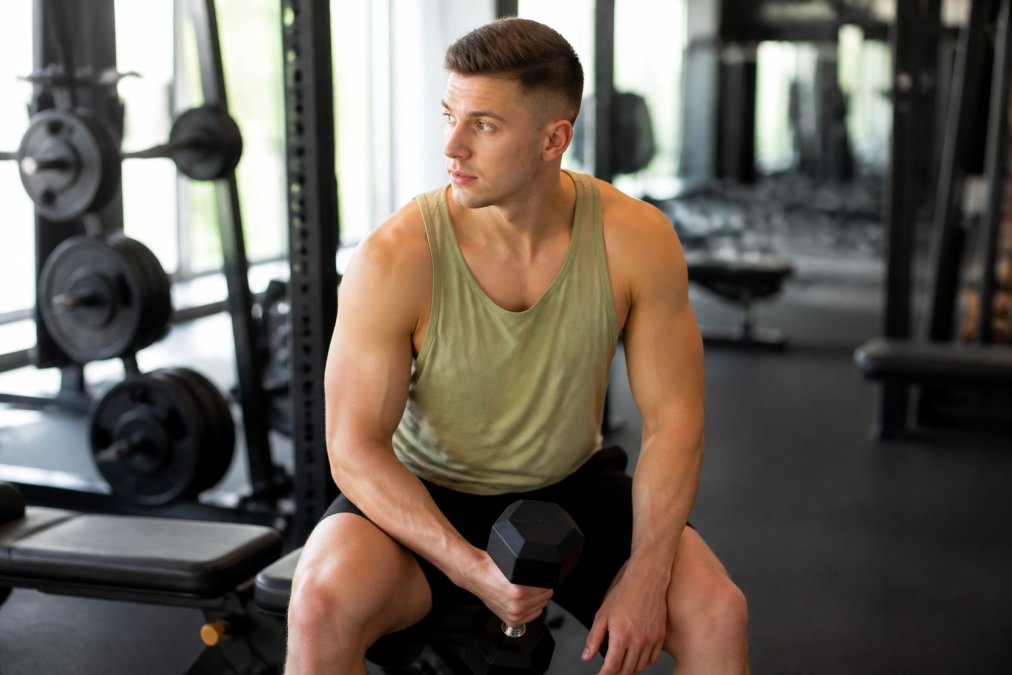
For high-intensity interval training and heavy lifting with heavy sweat, a synthetic blend dries fastest and holds shape under load. For moderate training, yoga, walking or everyday wear, organic bamboo blends win on comfort, odour control and skin feel.
If you train most days and want one set that covers both, a certified organic bamboo blend with 5% Lycra is the best all-rounder. It breathes like a natural fibre, stretches like a synthetic, and does not hold odour the way polyester does.
Shred Cartel builds its range around exactly that blend. The Shred Cartel Base Shorts - Black use a 67% bamboo, 28% cotton, 5% Lycra mix with a squat-proof cut that will not ride up. The Iconic Singlet Shred Cartel runs the same organic blend in a lightweight, breathable cut for high-sweat sessions.

For rest days and streetwear, the Unisex oversize T-shirts - White use 280 GSM organic fabric that resists shrinking through machine washes. All three sit in the same certified organic family, so you can build a full kit without mixing fibre types.

Picking the right gym fabric is a balance between how hard you sweat and how much you care about what happens to the garment after you retire it. Synthetic blends still lead on raw drying speed, but organic blends now match them on stretch and beat them on odour, skin comfort and end-of-life breakdown. Shred Cartel designs performance streetwear around a certified organic bamboo blend, with sweat-resistant, breathable pieces built to hold their shape through intense training. Browse our Collections and build a kit that works as hard as you do.
Frequently Asked Questions
Are organic workout clothes better?
Organic workout clothes offer natural breathability, are gentle on sensitive skin and avoid the chemical finishes used on many synthetic fabrics. They suit low to moderate-intensity training, yoga and everyday wear. For heavy sweating or high-intensity sessions, a bamboo blend with a small amount of elastane gives you softness plus stretch, so you get comfort without losing shape.
Which fabric is best for high-intensity gym workouts?
Synthetics like polyester and nylon move sweat away from the skin fastest, which is why they dominate high-intensity performance gear. The trade-off is odour retention and a higher environmental footprint. A hybrid blend, such as bamboo, cotton and a small percentage of elastane, balances breathability and stretch, and works well for lifting, walking and gym-to-street wear.
Are organic workout clothes better for sensitive skin?
Yes, for many people. Organic cotton and bamboo are hypoallergenic, soft and free from the chemical finishes that can trigger skin irritation. Synthetic polymers trap sweat and bacteria against the skin, which may worsen sensitivity. If you react easily, choose certified organic blends and wash them before first wear with a gentle, fragrance-free detergent.
How do organic fabrics handle sweat compared to synthetics?
Organic cotton absorbs moisture but dries slowly, so it can cling during heavy sweating. Bamboo blends absorb moisture while staying breathable, which reduces sweat marks and odour. Synthetics wick sweat away quickly but hold onto odour over time. For mixed training, a bamboo blend outperforms pure cotton on moisture management without the plastic feel of polyester.